

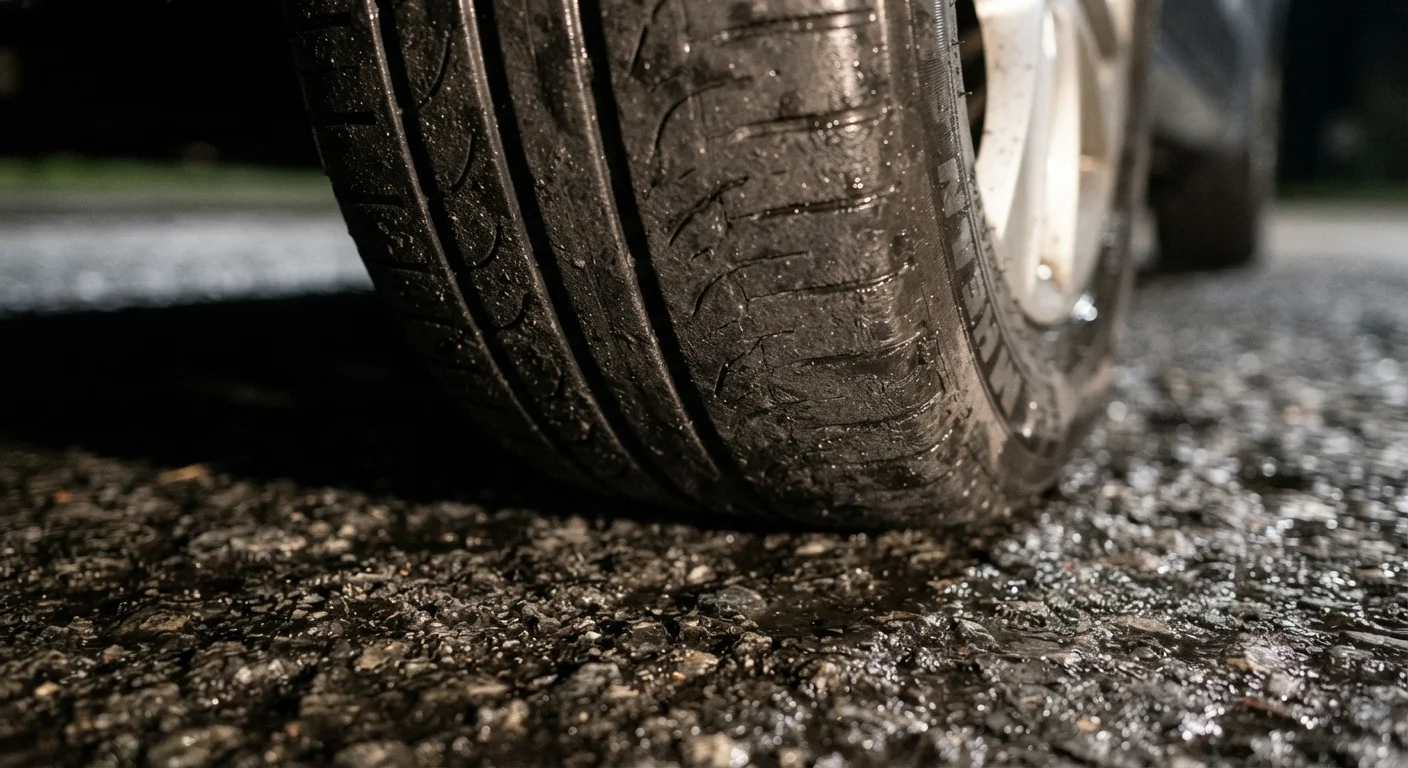
Why Tyre Condition Is a Safety Priority, Not a Maintenance Afterthought
Tyres are the only part of your vehicle in direct contact with the road. Every braking, steering, and acceleration input you make passes through four contact patches — each roughly the size of a hand. When those patches are compromised by worn tread, incorrect pressure, or structural damage, your vehicle's ability to respond to your inputs deteriorates significantly.
Research consistently links tyre condition to crash risk. The National Highway Traffic Safety Administration (NHTSA) has identified tyre-related failures as a contributing factor in tens of thousands of crashes annually in the United States. Yet tyre maintenance remains one of the most commonly neglected aspects of vehicle ownership — partly because degradation is gradual and partly because most drivers don't know exactly what to look for.
Understanding how tyres are constructed and what their markings mean is a useful starting point, but practical safety comes from regular, informed inspection. This article focuses on the habits and checks that directly protect you and other road users.
TPMS Is a Warning System, Not a Monitoring Tool
Most vehicles sold in the US since 2008 are equipped with a Tyre Pressure Monitoring System (TPMS), which illuminates a dashboard warning when pressure drops roughly 25% below the recommended level. This is a useful safety backstop, but it should not replace monthly manual checks. A tyre can be meaningfully underinflated — enough to affect handling and wear — without triggering the TPMS alert.
Best Practices for Monitoring and Maintaining Tyre Safety
The following practices represent the core of responsible tyre management for everyday drivers. Each is grounded in guidance from tyre safety organizations, vehicle manufacturers, and highway safety research.
Check tyre pressure at least once a month using a reliable gauge
Tyres naturally lose one to two PSI per month, and temperature changes accelerate this. Driving on underinflated tyres increases heat buildup, accelerates tread wear, and can extend stopping distances by a measurable margin. The correct pressure for your vehicle is found on the door jamb sticker or in the owner's manual — not on the tyre sidewall, which shows the maximum rated pressure.
Inspect tread depth regularly using the quarter or tread-wear indicator method
US federal law sets a minimum tread depth of 2/32 of an inch, but most safety experts and tyre manufacturers recommend considering replacement at 4/32 inch — especially for wet-weather driving. Below 4/32 inch, a tyre's ability to channel water away from the contact patch degrades sharply, increasing the risk of hydroplaning.
Rotate tyres according to your vehicle manufacturer's schedule
Front and rear tyres wear at different rates depending on drive configuration and braking loads. Regular rotation — typically every 5,000 to 7,500 miles, or as specified in your owner's manual — promotes even wear across all four tyres, extending their usable life and maintaining consistent handling.
Inspect tyres visually for damage, bulges, and foreign objects
Sidewall bulges indicate internal structural damage — often from impact with a pothole or curb — and represent a blowout risk. Cuts, cracks, or embedded objects (nails, screws) may not immediately cause a flat but can lead to slow leaks or sudden failure. These issues are not always detectable by pressure alone.
Replace tyres based on age, not just appearance
Rubber compounds degrade over time due to heat, UV exposure, and oxidation, even when tyres appear intact. Most manufacturers and safety bodies, including NHTSA, suggest that tyres older than six years should be inspected by a professional and that ten years is generally considered the maximum service life regardless of appearance.
Have wheel alignment checked annually or after any significant impact
Misalignment causes uneven and accelerated tyre wear, reduces fuel efficiency, and affects handling. It often develops gradually — through normal road use, pothole impacts, or minor collisions — and may not be noticeable during everyday driving until significant wear has already occurred.
Quick Checks You Can Do Today
You don't need special tools or mechanical expertise to start protecting yourself through better tyre awareness. The actions below take minutes and can reveal problems before they become dangerous.
For a broader view of how pressure affects your vehicle beyond safety — including fuel costs — see our companion article on tyre pressure and fuel efficiency. And if you're newer to vehicle ownership, our new driver maintenance guide covers how tyre care fits into your broader routine.
When Tyre Issues Point to Bigger Problems
Abnormal tyre wear patterns are rarely just a tyre issue. Feathering along tread edges typically indicates a wheel alignment problem. Cupping or scalloping — irregular high and low spots around the tyre — often points to worn shock absorbers or struts. Inner-edge wear on front tyres can signal camber misalignment.
If you notice any of these patterns, replacement alone won't solve the underlying issue. A qualified mechanic should inspect the suspension and alignment before or alongside fitting new tyres. Similarly, if your TPMS (Tyre Pressure Monitoring System) warning light illuminates, treat it as an immediate prompt — not something to address at your next service.
Tyre condition also matters more in adverse weather. Worn or underinflated tyres have dramatically reduced grip on wet or icy roads, making the adjustments described in our guide on driving in rain, ice, and fog far harder to execute safely. Good tyres and adapted driving technique work together — neither substitutes for the other.
Check Pressure When Tyres Are Cold
Tyre pressure readings are most accurate when the tyres are 'cold' — meaning the vehicle has been parked for at least three hours or driven fewer than a mile at low speed. Driving heats the air inside the tyre and causes pressure to rise, which can make an underinflated tyre appear correctly inflated. Always compare your reading to the cold inflation specification listed on the door jamb sticker.
“Tyres are among the most safety-critical components on any vehicle. A tyre failure at highway speed leaves the driver very little time to react — preventive maintenance is always the better option.”
— NHTSA Vehicle Safety Communications, National Highway Traffic Safety Administration, US Department of Transportation
This article provides general vehicle safety information for educational purposes. Always consult a qualified tyre professional or mechanic for inspections, replacements, and any concerns specific to your vehicle.
The content on this site is for informational purposes only and is not a substitute for professional advice. Always consult a qualified professional for guidance specific to your situation.