

Start here
Why Maintenance Matters from Day One
Build your foundation
The Fluids Every Driver Should Know
Stay road-safe
Tires, Brakes, and Lights: Your Safety Trio
Plan ahead
Understanding Your Service Schedule
Know your limits
When to DIY and When to Call a Mechanic
Why Maintenance Matters from Day One
Getting behind the wheel for the first time is exciting — but a car is also one of the most complex and expensive pieces of equipment most people will ever own. The drivers who avoid costly breakdowns and keep their vehicles running reliably for years aren't necessarily mechanically gifted; they've simply built consistent, small habits early on.
Neglect tends to compound. A low oil level becomes engine wear. Worn brake pads become damaged rotors. A slow tire leak becomes a blowout. Most of these outcomes are preventable with basic attention and periodic checks. Just as first-time homeowners learn the hard way which upkeep tasks matter most — see our guide to overlooked homeowner maintenance for a parallel lesson — new drivers benefit enormously from building awareness before problems arise.
You don't need mechanical expertise to maintain a car well. You need to know what to look for, how often to look, and when to hand the job to a professional.
The Fluids Every Driver Should Know
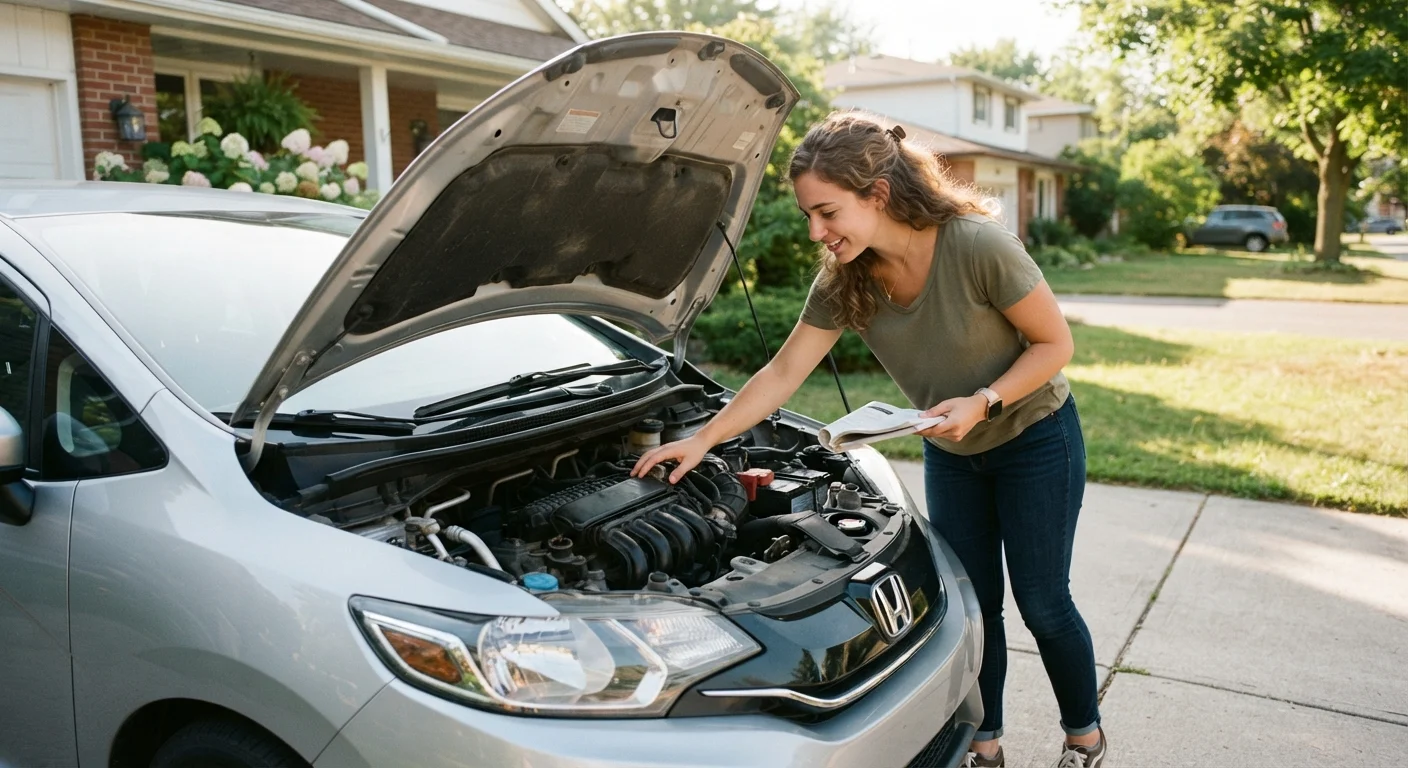
Fluids are the lifeblood of your vehicle's systems. Checking them is quick, requires no tools in most cases, and can head off serious damage.
Dipstick
A long metal rod you pull from the engine to check the oil level. Markings on the end show whether oil is at the correct level.
PSI
Pounds per square inch — the unit used to measure tire pressure. Your vehicle has a specific recommended PSI for front and rear tires.
Service interval
The mileage or time period between scheduled maintenance visits, as specified by the vehicle manufacturer.
Coolant reservoir
A translucent plastic tank in the engine bay that holds coolant fluid. It has minimum and maximum markers for easy level checking.
Tread depth
The depth of the grooves in a tire's surface. Adequate tread depth is essential for channeling water away and maintaining grip on wet roads.
ASE certification
A credential from the National Institute for Automotive Service Excellence that indicates a technician has passed standardized tests in their specialty area.
- Engine oil — lubricates moving parts and reduces heat buildup. Check monthly using the dipstick under the hood. Oil that looks very dark and gritty is overdue for a change.
- Coolant (antifreeze) — regulates engine temperature and prevents freezing in winter. Check the level in the plastic reservoir when the engine is cold. The cooling system guide explains how this fluid circulates and what warning signs to watch for.
- Brake fluid — transfers the force from your brake pedal to the wheels. It's housed in a small reservoir near the firewall. Low brake fluid can signal a leak and warrants immediate professional attention.
- Windshield washer fluid — the easiest to top up and the one most new drivers run dry. Keep a spare jug in your trunk.
- Transmission fluid — keeps gear shifts smooth. Many modern vehicles have a sealed transmission; check your owner's manual to see whether yours is user-accessible.
Always use the fluid type specified in your owner's manual — using the wrong grade or formulation can cause damage even with good intentions.
Tires, Brakes, and Lights: Your Safety Trio
These three systems have a more direct bearing on your safety — and that of other road users — than almost anything else on your vehicle.
Tires
Check tire pressure at least once a month and before long drives. Under-inflated tires increase stopping distances, reduce fuel efficiency, and wear unevenly. The correct pressure is listed on the driver's door jamb sticker or in your owner's manual — not on the tire sidewall. Also inspect tread depth: insert a quarter into a tread groove with Washington's head facing down; if you can see the top of his head, tread is getting low.
Brakes
Squealing when you brake usually means pads are thinning. Grinding is a sign metal is contacting metal — a situation requiring immediate professional attention. Have brakes inspected at least once a year, or any time you notice changes in stopping performance or pedal feel. For a broader look at staying safe on the road, the Road Safety hub covers driving habits alongside vehicle condition.
Lights
Walk around your car periodically and check that headlights, taillights, brake lights, and turn signals all work. A failed brake light is both a safety hazard and a ticketable offense. Replacing bulbs is usually a straightforward task, but LED or sealed units on newer vehicles may require a shop visit.
Build a Quick Pre-Drive Habit
A 60-second visual check before you drive — tires look inflated, no puddles under the car, all lights on when you start up — catches many issues before they become roadside emergencies. Our pre-drive safety walkthrough can help you turn this into a consistent routine.
Understanding Your Service Schedule
Every vehicle comes with a manufacturer-recommended service schedule — typically found in the owner's manual or in a separate maintenance booklet. This schedule lists what should be inspected, adjusted, or replaced at specific mileage or time intervals, whichever comes first.
Common milestones for many vehicles include oil and filter changes, tire rotations, air filter replacements, and brake inspections at regular intervals. Major services — often around 60,000 or 100,000 miles — may include spark plugs, timing belt or chain inspection, and coolant flush. For a detailed breakdown of what each visit typically covers, see our service schedule guide.
Time Matters as Much as Mileage
If you don't drive much, a vehicle can still need certain services based on time elapsed rather than miles covered. Rubber components degrade, fluids absorb moisture, and batteries discharge even in a parked car. Always check the time-based intervals in your owner's manual alongside the mileage thresholds.
Don't rely on memory alone. Many drivers use a simple spreadsheet, a phone calendar reminder, or a maintenance log kept in the glove box. Keeping records also matters if you ever sell the vehicle — documented service history adds credibility and often value.
When to DIY and When to Call a Mechanic
Some maintenance tasks are well within reach for a careful, patient beginner: checking and topping off fluids, inspecting tires, replacing wiper blades, and swapping out a cabin air filter are all low-risk with the right guidance. Building these habits is a genuine confidence booster and keeps costs down.
Other jobs carry real risk if done incorrectly — brake work, suspension components, electrical systems, and anything involving the fuel system should generally be handled by a qualified mechanic unless you have specific training and tools. Our DIY vs. garage guide walks through how to weigh those trade-offs honestly.
When choosing a shop, look for ASE-certified technicians and ask for a written estimate before work begins. A good mechanic will explain what they found, show you the part if replacing it, and not pressure you into unscheduled repairs. Trust your instincts — and get a second opinion on significant jobs if something feels off.
The goal isn't to become a mechanic. It's to be an informed owner who catches small issues early, keeps up with scheduled care, and knows when a professional's expertise is the right call. Those habits, built consistently, are what keep vehicles reliable for the long haul. For a deeper look at the practices that genuinely extend vehicle life, see our guide to long-term maintenance habits.
Frequently Asked Questions
A general rule is to check your engine oil level about once a month and before any long road trip. Pull out the dipstick, wipe it clean, reinsert it, then pull it again to read the level. Always follow the interval guidance in your owner's manual for oil changes.
The check engine light can signal anything from a loose gas cap to a more serious engine or emissions issue. Don't ignore it — if the light is steady, get it diagnosed soon; if it's flashing, reduce speed and have the vehicle inspected promptly.
Check the sticker on the driver's door jamb or your owner's manual for the recommended PSI (pounds per square inch) — not the maximum printed on the tire sidewall. Use an inexpensive tire pressure gauge when tires are cold for an accurate reading.
Most vehicles need an initial oil change and inspection between 5,000 and 7,500 miles, though some modern cars with synthetic oil can go longer. Your owner's manual will list the exact first-service interval for your specific vehicle.
Adding windshield washer fluid and topping off coolant in the reservoir are generally straightforward tasks for most drivers. For engine oil, brake fluid, and transmission fluid, consult your owner's manual for the correct type and fill level, and have a mechanic assist if you're uncertain.
Brake pad lifespan varies widely based on driving style, vehicle type, and road conditions — commonly ranging from 25,000 to 65,000 miles. Listen for squealing or grinding sounds, and have a mechanic inspect pads annually or if you notice any change in braking performance.
The content on this site is for informational purposes only and is not a substitute for professional advice. Always consult a qualified professional for guidance specific to your situation.