

Our Verdict
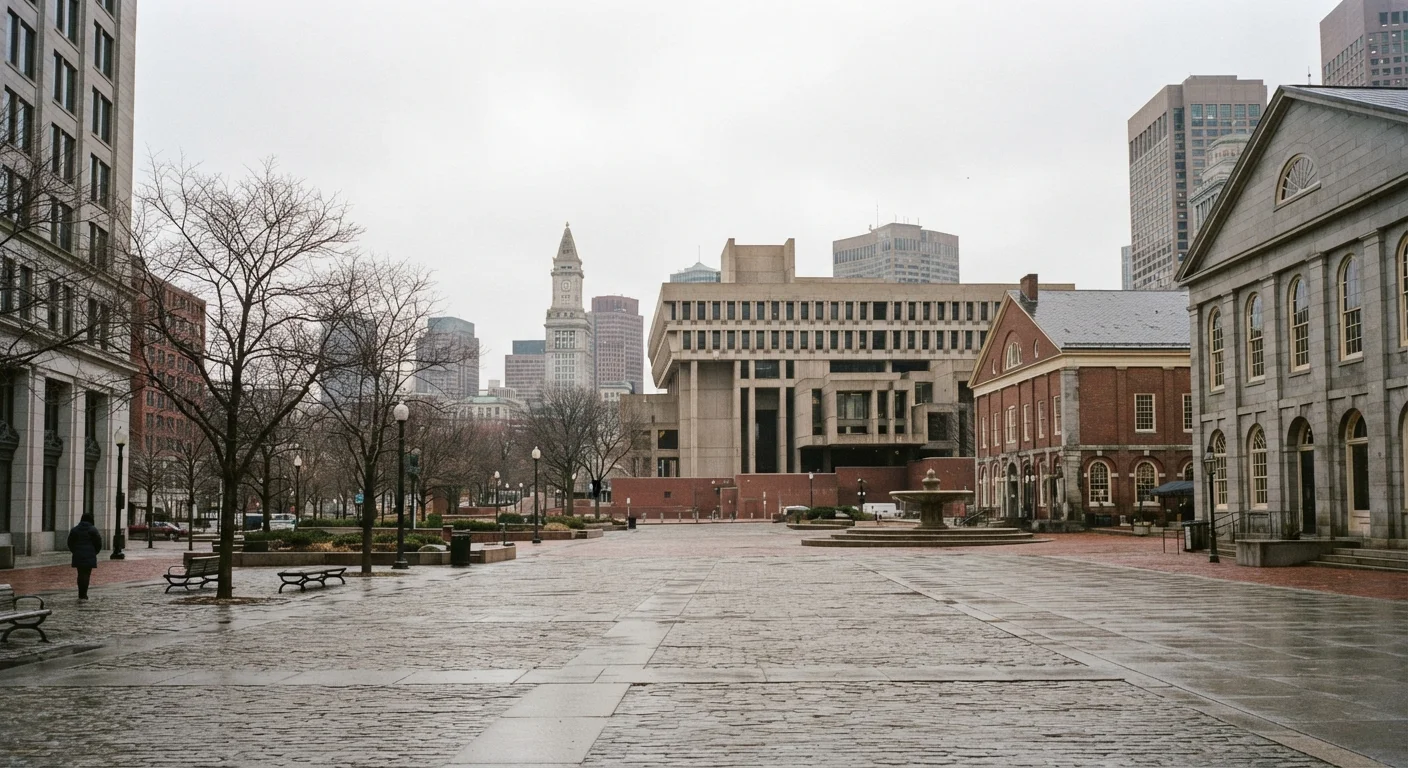
Off-season travel to US cities rewards flexible, curious travelers who prioritize authentic experience over ideal conditions. The trade-offs — weather uncertainty, some closed venues — are real, but for many destinations and travelers, the quieter, more affordable version of a city is genuinely the better one.
Travelers who value access and atmosphere over perfect weather, and who plan carefully around what may be unavailable.
What 'Off-Season' Actually Means for American Cities
Unlike beach resorts or ski towns — where off-season is obvious — American cities have more nuanced demand cycles. A city's peak period is shaped by its primary draws: New Orleans surges around Mardi Gras and Jazz Fest; Washington, D.C. peaks during cherry blossom season and summer family travel; New York City sees its heaviest volumes between June and August and again in December. Off-season, by contrast, is whenever those specific drivers quiet down.
For most urban destinations, off-season falls in the shoulder months — January through early March, or late October through November — though this varies considerably by region. New England's seasonal calculus is a useful example of how dramatically the math can shift city by city.
Understanding your target city's specific demand pattern is the essential first step. A slow January in Chicago is very different from a slow January in Miami.
The Real Advantages of Going Off-Peak
Off-season travel to US cities comes with a cluster of genuine, compounding benefits — not just cheaper hotel rates, though those matter too.
Lower accommodation rates in most cities
Hotels and short-term rentals in major US cities typically reduce rates during slow periods — sometimes significantly. This can make higher-quality accommodation accessible at a lower price point than during peak demand.
Significantly reduced crowds at key attractions
Popular museums, historic sites, and iconic viewpoints are far more navigable off-season. The difference between a crowded peak-season visit and a quiet January morning at the same landmark can be dramatic.
Easier access to top-tier restaurants
Coveted reservations that require weeks of advance booking in summer often open up during slower periods. Off-season is one of the more reliable ways to access a city's best dining without months of planning.
More authentic neighborhood atmosphere
When tourist volumes drop, city neighborhoods shift back toward local rhythms — the mix of businesses, street life, and social texture that defines a place for residents rather than visitors.
Greater flexibility in planning and scheduling
Off-season travel tends to involve less pressure on logistics: tours have available spots, popular sites don't require timed-entry tickets booked far in advance, and transport is less congested.
20–40%
Typical hotel rate reduction off-peak
Industry analysis from hospitality researchers consistently shows major US city hotels discount rates by this range during low-demand periods compared to peak summer or holiday windows.
30–50%
Drop in visitor volume at major urban attractions
Attendance data from large US urban museums and historic sites commonly shows off-season monthly figures running at roughly half or less of peak-month totals.
Beyond the financial dimension, thinner crowds reshape the experiential quality of a visit in meaningful ways. Museum galleries that are shoulder-to-shoulder in July become places where you can actually pause in front of a painting. Popular neighborhoods feel like neighborhoods rather than tourist corridors. Locals are more present and often more willing to engage.
Restaurant reservations that would require weeks of lead time in peak season become achievable on shorter notice — sometimes the same week. This extends to higher-end venues that are genuinely difficult to access during busy periods. For travelers who treat dining as a central part of city exploration, the off-season window can unlock experiences that are simply unavailable in summer.
See the Travel Tips hub for additional guidance on making the most of your city visit regardless of season.
The Drawbacks Worth Taking Seriously
Off-season city travel is not uniformly better — several real disadvantages can meaningfully affect a trip if you haven't accounted for them.
Weather can be genuinely difficult in some cities
Northern and Midwestern cities experience cold, ice, and limited daylight in winter months. This is manageable with preparation but can meaningfully constrain outdoor activity and walking-heavy itineraries.
Some attractions operate reduced or seasonal hours
Smaller venues, outdoor markets, harbor cruises, and certain cultural sites scale back operations in slow periods. Travelers can encounter unexpected closures if they haven't confirmed hours in advance.
Fewer events and seasonal programming
Many cities schedule their major festivals, outdoor concerts, and cultural events for peak season. Off-season visits may coincide with a quieter events calendar, which is a trade-off depending on priorities.
Some tourism-facing services may be less available
Guided tours, specialty excursions, and visitor-focused transit options sometimes run reduced schedules off-season. Independent travelers navigate this more easily than those relying on structured tour programming.
Weather is the most consequential variable and the hardest to mitigate. A January trip to Chicago or Minneapolis involves genuinely cold temperatures that limit outdoor time and require packing for it seriously. Some travelers find this energizing; others find it constraining. Be realistic about your tolerance before choosing a northern city in deep winter.
Reduced operating hours are a less-discussed but practical issue. Some smaller museums, historic sites, and neighborhood businesses scale back hours or close for portions of the year. A thorough pre-trip checklist — including confirming hours for specific venues you plan to visit — is especially important for off-season travel.
Cities Where Off-Season Works Particularly Well
Some destinations reward off-season visits more reliably than others. Cities with robust year-round cultural infrastructure — major museums, performing arts venues, indoor food markets, historic architecture — maintain most of their appeal regardless of season.
Cities in the American South and Southwest tend to have more visitor-friendly off-seasons in terms of weather; late fall and winter can actually be the most comfortable times to visit places like New Orleans, Savannah, or Phoenix, which are uncomfortably hot and humid in peak summer. The American Southwest is a particularly strong case for this pattern.
The Great Lakes region offers a different example: cities like Milwaukee or Cleveland see summer as peak season, making late fall and early spring genuinely quieter — while the cultural assets that make them interesting remain fully operational.
Verify Hours and Access Before You Go
Off-season schedules vary widely even within a single city — one museum may be fully operational while a nearby historic site runs weekend-only hours. Always confirm directly with venues before building your itinerary around them. Entry requirements, permit systems, and reservation windows can also shift seasonally at high-demand sites.
For travelers weighing how to structure their itinerary once they've chosen a timing window, slow travel versus fast-paced itineraries offers a useful framework.
The content on this site is for informational purposes only and is not a substitute for professional advice. Always consult a qualified professional for guidance specific to your situation.