

Why Container Gardening Works
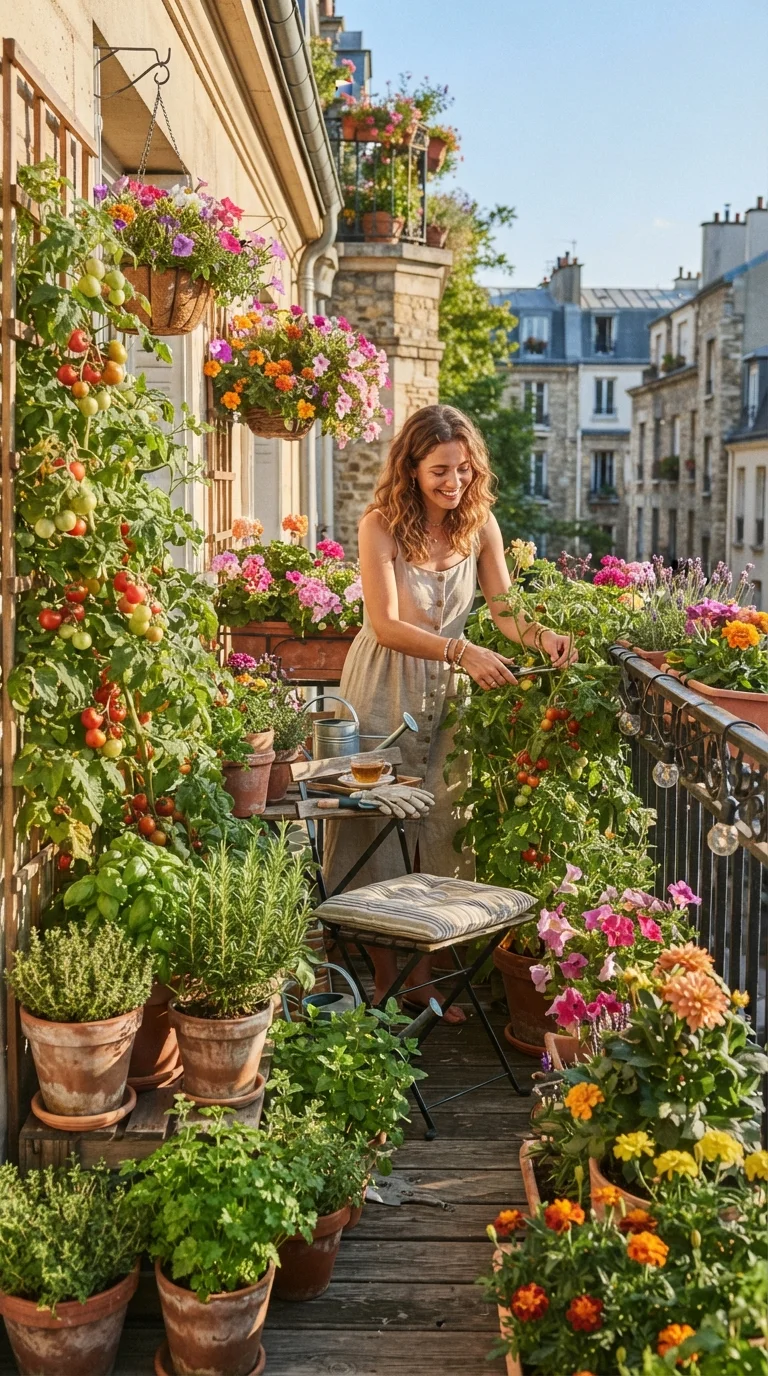
Container gardening is not a compromise — it is a genuinely effective method for growing food and flowers in spaces that simply cannot accommodate traditional beds. Patios, balconies, rooftops, driveways, and narrow side yards all become productive growing space when you understand how containers function as a self-contained growing system.
The core advantage is control. You decide the soil quality, drainage, and placement. If a spot gets too much afternoon sun, you move the pot. If frost threatens, you bring plants inside. This flexibility is something even large-garden growers occasionally envy.
If you are weighing containers against other approaches, our comparison of raised beds vs. in-ground planting walks through the trade-offs in detail. And if you are new to gardening altogether, our beginner's garden guide covers the fundamentals that apply across all methods.
80%
Of US households engaging in some form of gardening
According to National Gardening Association surveys, container gardening is one of the fastest-growing segments of that activity.
6+ hrs
Daily sunlight most fruiting vegetables require
Extension services across the US consistently cite six hours of direct sun as the minimum threshold for productive vegetable containers.
2x faster
Rate at which containers dry out vs. garden beds
The limited soil volume and increased surface exposure of pots means they lose moisture far more rapidly than in-ground plantings.
Choosing the Right Container
Container choice affects root health, water retention, and ultimately yield. The most important factor is size. Small pots restrict root growth, dry out rapidly, and stress plants. As a general principle, lettuces and herbs can manage in containers as small as 6–8 inches deep, while tomatoes, peppers, and squash need pots at least 12–18 inches deep and wide.
Material matters too:
- Terracotta breathes well and looks attractive, but dries out quickly — best suited for drought-tolerant herbs like rosemary and thyme.
- Plastic and resin retain moisture longer and are lightweight, making them practical for larger plants on balconies.
- Fabric grow bags promote air pruning of roots, which prevents circling and improves overall root structure.
- Wood insulates roots well against temperature swings but may rot over time without a liner.
Whatever the material, drainage holes are non-negotiable. Standing water in the bottom of a pot leads to root rot within days. If a container you love lacks drainage holes, drill them or use it as a decorative sleeve around a drilled inner pot.
When in doubt, go one container size larger than you think you need. Root space is the single biggest limiting factor in container growing, and extra volume also means more moisture buffering.
Experienced container growers consistently find that undersized pots are the leading cause of stunted growth and failed crops, especially for tomatoes and peppers.
Group containers together. Clustered pots create a microclimate with slightly higher humidity, reduce individual plant stress on hot days, and make watering more efficient.
This technique mimics the way plants growing in proximity moderate each other's environment, and it is widely recommended by horticultural educators.
Soil and Drainage: The Foundation of Success
Never fill containers with soil dug from the garden. Garden soil compacts in pots, impedes drainage, and can introduce pests and disease. Instead, use a quality potting mix — a blend typically made from peat or coco coir, perlite, and compost — which is formulated to stay loose, drain well, and support root development in a confined space.
Never Use Garden Soil in Containers
Garden soil compacts in the confined environment of a pot, cutting off oxygen to roots and preventing proper drainage. This leads to root rot and poor growth even with otherwise healthy plants. Always start with a commercial potting mix or a well-structured homemade equivalent — it is one of the most impactful decisions you will make for your container garden.
To improve moisture retention in larger containers, you can mix in water-retaining granules or a small amount of well-finished compost. Speaking of which, homemade compost is an excellent amendment — see our guide on composting at home for how to produce it reliably.
Avoid the common habit of placing gravel or rocks at the bottom of containers to "improve drainage." Research has shown this actually raises the water table within the pot, keeping roots wetter than intended. Fill the container with potting mix to within about an inch of the rim, and let proper drainage holes do the work.
What to Grow: Vegetables, Herbs, and Flowers
Almost any plant can grow in a container if the pot is large enough and conditions are right. That said, some are particularly well suited:
Vegetables
- Tomatoes (especially compact or patio varieties) — need large pots, full sun, and sturdy support.
- Lettuce and salad greens — shallow-rooted and fast-growing; ideal for window boxes.
- Peppers and chilies — thrive in containers and love reflected heat from paved surfaces.
- Radishes and carrots — choose shorter varieties suited to container depth.
- Bush beans — productive and don't require staking like pole varieties.
Herbs
- Basil, parsley, and cilantro — fast-growing annuals that do well together if watered consistently.
- Mint — actually performs better in containers, which contain its otherwise invasive spread.
- Rosemary, thyme, and oregano — Mediterranean herbs that prefer slightly drier conditions and terracotta pots.
Flowers
- Marigolds and nasturtiums — double as pest deterrents; see how companion planting logic applies even in pots.
- Petunias, zinnias, and geraniums — long-blooming, colorful, and forgiving for beginners.
Watering and Feeding Container Plants
Container plants dry out significantly faster than those in the ground. On a hot summer day, a small pot may need watering twice. A reliable rule of thumb: push your finger about an inch into the soil — if it feels dry at that depth, water thoroughly until it runs from the drainage holes.
Self-Watering Containers Save Time
Self-watering pots with built-in reservoirs can extend the time between waterings by two to three days, which is especially helpful on hot patios or when you travel. They work by drawing water up from the reservoir as the soil dries — a process called sub-irrigation. They do not eliminate the need to check plants, but they significantly reduce the risk of drought stress.
Because frequent watering flushes nutrients from the mix, container plants also need regular feeding. A balanced, water-soluble fertilizer applied every one to two weeks during the growing season replaces what leaches out. Slow-release granular fertilizers can reduce how often you need to feed, though liquid options tend to show results more quickly.
Watch for signs of overwatering (yellowing lower leaves, soggy soil, fungus gnats) as well as underwatering (wilting, dry and pulling-away-from-pot soil, crispy leaf edges). Both are common, and both are fixable once you learn to read your plants.
Troubleshooting Common Container Problems
Even well-managed containers run into issues. Here are the most frequent problems and how to address them:
- Leggy, weak growth
- Almost always a sign of insufficient light. Move containers to a sunnier spot or consider grow lights for indoor setups.
- Yellowing leaves
- Could indicate overwatering, nutrient deficiency, or root-bound conditions. Check soil moisture first, then consider fertilizing or repotting to a larger container.
- Wilting despite wet soil
- This is a warning sign of root rot. Remove the plant, trim blackened roots, and repot in fresh mix with better drainage.
- Pests on foliage
- Aphids, spider mites, and whiteflies are common. A strong spray of water dislodges many; insecticidal soap (following label directions) handles persistent infestations.
- Plants stop producing
- Vegetables like tomatoes and peppers become root-bound and stop fruiting when they outgrow their pot. Sizing up the container mid-season can restart production.
Container gardening integrates naturally with broader outdoor design thinking. If you want to extend these principles into a fuller outdoor space, our article on designing a low-maintenance outdoor space offers complementary guidance. And for wider home project ideas, explore our home improvement hub.
Cooperative Extension Service (Local)
Your state's land-grant university extension office publishes free, regionally specific guides on container vegetable and herb gardening. Search '[your state] extension container gardening' for locally calibrated advice.
National Gardening Association
A nonprofit resource offering plant-specific growing guides, a garden planning tool, and community forums where container gardeners share problems and solutions.
USDA Plant Hardiness Zone Map
Knowing your hardiness zone helps you understand your frost dates and growing season length — critical for timing container plantings and knowing when to overwinter tender plants.
The content on this site is for informational purposes only and is not a substitute for professional advice. Always consult a qualified professional for guidance specific to your situation.