

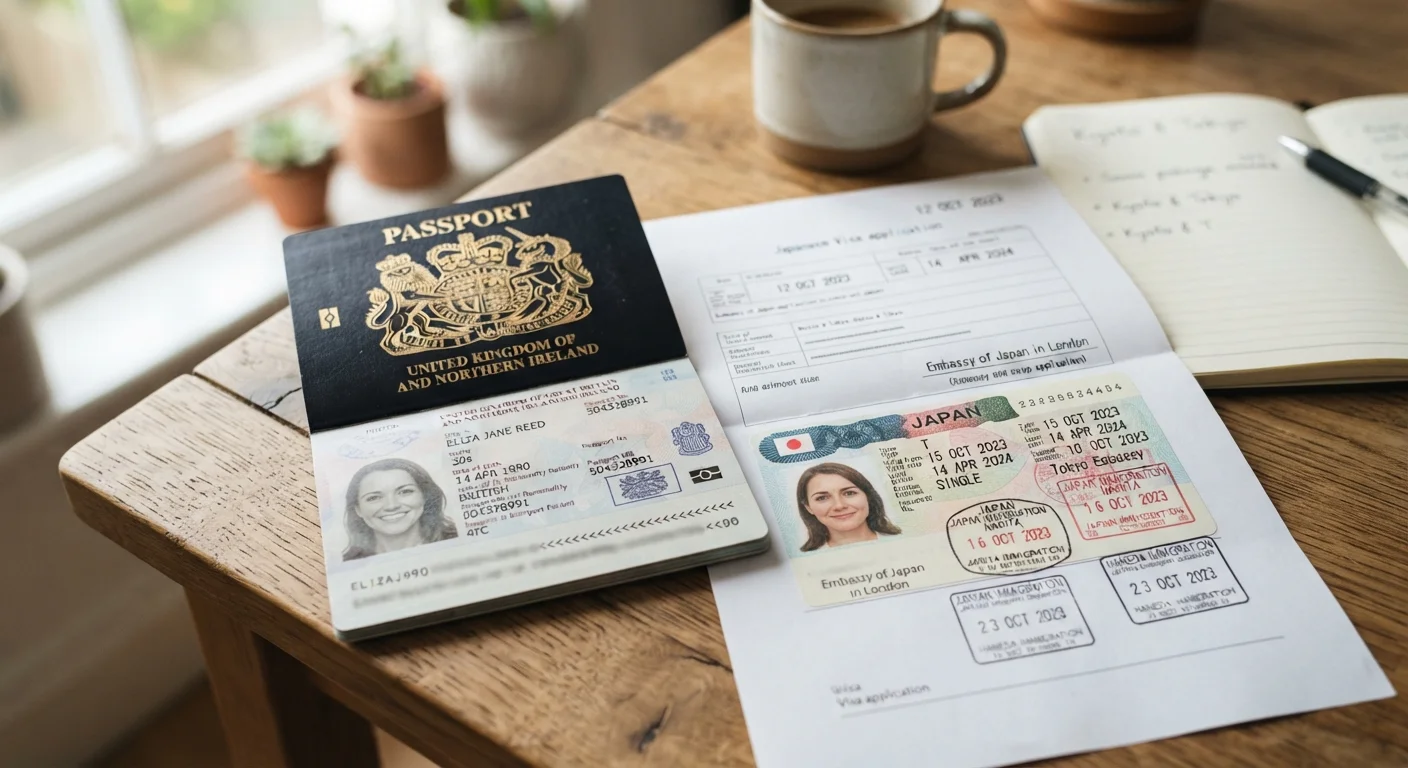
Visa vs. Passport: Understanding the Difference
The confusion between passports and visas is one of the most common stumbling blocks for first-time international travelers. Your passport is issued by your own government and serves as proof of citizenship and identity. A visa, by contrast, is issued by a foreign government and functions as permission to enter their country.
Think of it this way: your passport is your ID card for the world, while a visa is the specific invitation — or formal authorization — from a particular country welcoming you in. Some visas appear as a physical sticker or stamp placed directly inside your passport. Others, increasingly common today, exist entirely as digital records tied to your passport number.
For a broader orientation to international travel logistics, see A First-Timer's Introduction to International Travel, which also covers customs, currency, and cultural basics.
When Do You Actually Need a Visa?
Whether you need a visa depends on two factors: your nationality and your destination. Governments negotiate bilateral agreements that determine which passport holders may enter visa-free, and for how long. U.S. passport holders, for example, can enter dozens of countries without a visa for short stays — but that same U.S. passport requires a visa for entry into many others.
Common situations that typically require a visa include:
- Tourist stays exceeding the visa-free allowance period
- Business activities beyond simple meetings or conferences
- Study or enrollment in a foreign educational institution
- Employment or any form of paid work
- Long-term residency or family reunification
Even short layovers in some countries may require a transit visa, so it's worth confirming requirements even when you're not leaving the airport.
195+
Countries with unique entry requirements
Each of the world's approximately 195 recognized countries sets its own visa policies, meaning requirements vary significantly by destination and passport held.
90 days
Typical visa-free stay limit in Schengen Area
The Schengen Area's 90-in-180-day rule applies to many non-EU passport holders, including U.S. citizens, and is strictly enforced at borders.
6 months
Minimum passport validity many countries require
A significant number of countries require travelers' passports to remain valid for at least six months beyond the planned departure date, regardless of visa status.
Understanding entry requirements is equally important — overlooked conditions are among the most common reasons travelers are turned away. For a fuller picture, our article on why travelers underestimate entry requirements details where things go wrong.
Types of Visas and How They Work
Visa categories are designed to match the purpose of your visit. Entering on the wrong visa type — even with valid authorization — can create legal and immigration complications. The most common types include:
- Tourist / Visitor Visa
- For leisure travel, visiting family, or short-term tourism. Usually restricts the holder from working or studying.
- Business Visa
- Permits attendance at meetings, conferences, or negotiations, but generally does not authorize employment.
- Student Visa
- Required for enrollment in accredited foreign schools or universities, often with restrictions on working hours.
- Transit Visa
- Allows passage through a country's territory without formal entry, often for a very limited window of time.
- Electronic Travel Authorization (e-Visa / ETA)
- A pre-travel digital authorization linked to your passport. No physical document is issued — your approval is verified electronically at the border.
Always Match Your Visa Type to Your Purpose
Entering a country on a tourist visa when your actual purpose is paid work or long-term study can lead to serious immigration consequences, including deportation and future entry bans. If your plans involve anything beyond casual tourism, research the correct visa category before applying. When in doubt, contact the destination country's embassy or a licensed immigration professional.
For a quick-reference overview of visa categories alongside other international travel essentials, Time Zones, Visas, and Voltage is a useful companion resource.
How to Verify Requirements Before You Travel
Visa rules change — sometimes with little public notice — so verifying requirements close to your travel date is essential, not optional. The most reliable sources are:
- The official embassy or consulate website of your destination country
- The U.S. Department of State's travel website (travel.state.gov) for American passport holders
- Your airline, which may also check visa requirements at check-in and can deny boarding if documentation is incomplete
Allow yourself adequate lead time. Embassy visa applications can take weeks, while e-visa systems sometimes experience processing backlogs. It's also worth confirming your passport validity — many countries require at least six months of remaining validity beyond your planned departure date.
Travel advisories can also affect what entry conditions a destination imposes. See Understanding Travel Advisories for guidance on interpreting those official notices.
“A visa is not a guarantee of entry — it is permission to present yourself at the border. The final decision always rests with the immigration officer at the port of entry.”
— U.S. Department of State, Official guidance on international travel documentation
While you're reviewing pre-trip logistics, it's also worth understanding what travel insurance actually covers — another layer of protection that many travelers overlook before departure.
This article provides general travel information only. Entry requirements, visa policies, and government regulations change frequently. Always verify current requirements through official embassy, consulate, and government sources before making travel plans.
Frequently Asked Questions
No. A passport is a government-issued identity document that proves your citizenship. A visa is a separate authorization granted by the country you plan to visit. Your passport is the document that holds your visa, but having a passport does not automatically grant you entry anywhere.
Visa requirements depend on your nationality and the country you're visiting. The U.S. Department of State's website lists entry requirements by destination for American passport holders. Always check the official embassy or consulate website of your destination country, as requirements change periodically.
An e-visa (electronic visa) is a digital authorization linked to your passport number, applied for and approved entirely online. You don't receive a physical stamp before travel — border officials verify your authorization electronically when you arrive. Many countries now offer e-visas for tourist and business travel.
Processing times vary widely — from a few business days for e-visas to several weeks or months for full embassy applications. Apply as early as possible, ideally several months before your travel date, to allow time for delays or requests for additional documentation.
Yes. A visa grants permission to seek entry, but border officials retain the authority to deny admission at the port of entry if they determine you do not meet requirements. Honesty and consistency in your documentation and stated purpose of travel are essential.
Overstaying a visa is a violation of a country's immigration law and can result in fines, detention, deportation, and future entry bans — both from that country and sometimes others. Always confirm your permitted stay duration, which is usually noted on the visa itself or the entry stamp.
The content on this site is for informational purposes only and is not a substitute for professional advice. Always consult a qualified professional for guidance specific to your situation.