

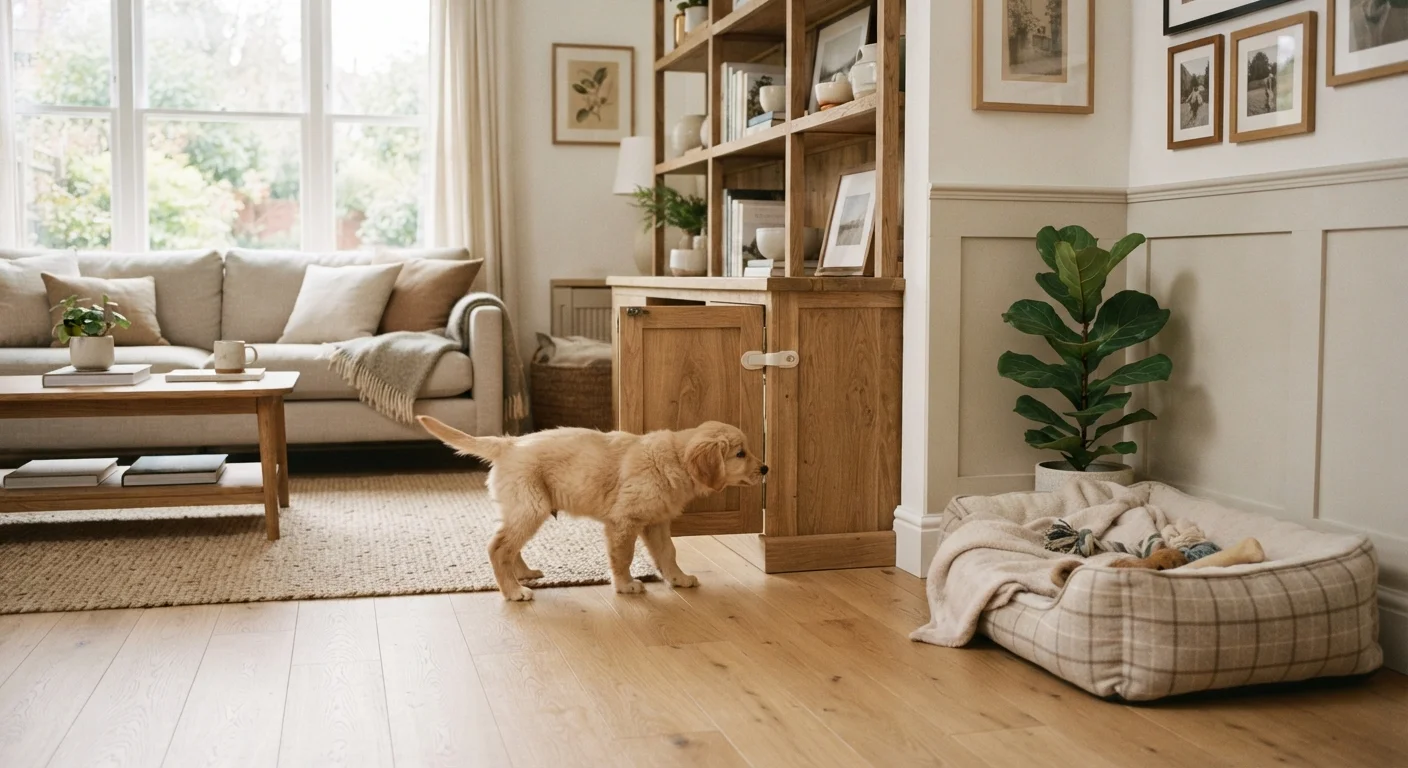
Why Home Safety Matters Before Day One
Bringing a new animal home is exciting, but the environment you've prepared — or haven't — will shape those first hours significantly. Pets entering an unfamiliar space are stressed, curious, and often less cautious than they will be once settled. That combination makes hazard exposure most likely in the first days.
If you haven't yet decided on the right pet for your lifestyle, the practical framework for evaluating your readiness is worth reviewing first. Once you're committed, this guide walks you through the specific steps to make your living space genuinely safe.
What you will need
Step-by-Step: Hazard-Proofing Your Home
Work through these steps room by room before your pet arrives. The process typically takes one to three hours depending on home size and how much reorganizing is needed.
Identify and Remove Toxic Plants
Many common houseplants are toxic to pets. Lilies are acutely dangerous to cats; sago palm is highly toxic to dogs; pothos and philodendron are harmful to both. Remove any plant you cannot confirm as pet-safe, or relocate it to a completely inaccessible space. The ASPCA maintains a publicly available toxic plant database searchable by species — consult it for anything you're uncertain about.
Secure Chemicals, Medications, and Cleaning Products
Store all cleaning products, pesticides, and human medications in latched cabinets or high shelves inaccessible to your pet. Many animals, especially dogs, will nose open cabinet doors. Child-proof latches are effective for low cabinets. Pay particular attention to laundry pods, antifreeze, and rodenticides — all are disproportionately dangerous and frequently involved in accidental poisonings.
Manage Electrical Cords and Small Objects
Bundle and conceal electrical cords behind furniture or inside cable management sleeves. Loose cords are chewing targets for puppies, kittens, and rabbits alike, and electrocution is a real risk. Similarly, sweep floors and low surfaces for small objects — coins, rubber bands, hair ties, batteries — that could be swallowed.
Create a Designated Safe Zone
Before arrival, designate one room or confined area as the pet's initial base. For dogs, a gated kitchen or laundry area works well. For cats, a spare bedroom. This space should contain their bedding, food, water, and litter box (if applicable), with no hazards. Restricting initial access to one area reduces overwhelm and lets you supervise interactions closely before expanding access.
Check Windows, Balconies, and Exit Points
Cats will investigate open windows; unscreened or poorly screened windows above ground level are a fall risk. Ensure all window screens are secure and consider window stops that limit how far a window can open. Check that yard gates latch securely, and inspect fencing for gaps at the base — smaller dogs and rabbits can squeeze through surprisingly tight spaces.
Secure Trash and Food Storage
Use bins with locking lids or store trash cans inside a cabinet. Kitchen counters should be kept clear of food during the adjustment period. Dogs will counter-surf, and certain foods — grapes, raisins, chocolate, onions, xylitol — are toxic in even small amounts. Confirm your entire household understands what the pet cannot eat.
Common Toxins Are Often Hidden in Plain Sight
Antifreeze, certain mulches, and some essential oil diffusers are toxic to cats and dogs but aren't always recognized as hazards. If your pet shows sudden signs of lethargy, vomiting, seizures, or disorientation, contact a veterinarian or the ASPCA Animal Poison Control Center immediately. Do not wait to see if symptoms resolve on their own — time matters in poisoning cases.
Species-Specific Considerations
Hazard profiles vary significantly by species. Dogs are often drawn to trash, food scraps, and chewable objects. Cats target heights, open windows, and thin cords. Rabbits — notorious chewers — will gnaw exposed wiring and baseboards if given access. For a detailed comparison of small-animal needs, see small pet habitat and care requirements.
Whatever species you're welcoming, the new pet owner checklist can help ensure nothing critical gets missed before arrival day.
Do a Ground-Level Walk-Through
After setting up, get down on hands and knees and view each room from your pet's perspective. Hazards that seem out of reach standing up — dangling cords, low cabinet gaps, accessible shelves — are often obvious at floor level. This five-minute exercise consistently reveals overlooked risks.
After the Setup: First Days and Ongoing Vigilance
Even a well-prepared home will need adjustments once a real animal is moving through it. Observe where your pet gravitates, what they investigate, and any behaviors that suggest anxiety or frustration. What to expect in the first week covers normal adjustment behaviors so you can distinguish routine settling from genuine concern.
If you're adding a second animal to a home that already has a pet, the dynamic changes considerably — introducing a second pet safely requires its own preparation. And for broader guidance on designing spaces that work for both owners and animals long-term, setting up a home that works for both you and your pet offers complementary perspective.
This article provides general educational information for pet owners and is not a substitute for advice from a licensed veterinarian. Consult a qualified professional for guidance specific to your pet's health, species, and circumstances.
The content on this site is for informational purposes only and is not a substitute for professional advice. Always consult a qualified professional for guidance specific to your situation.