

Our Verdict
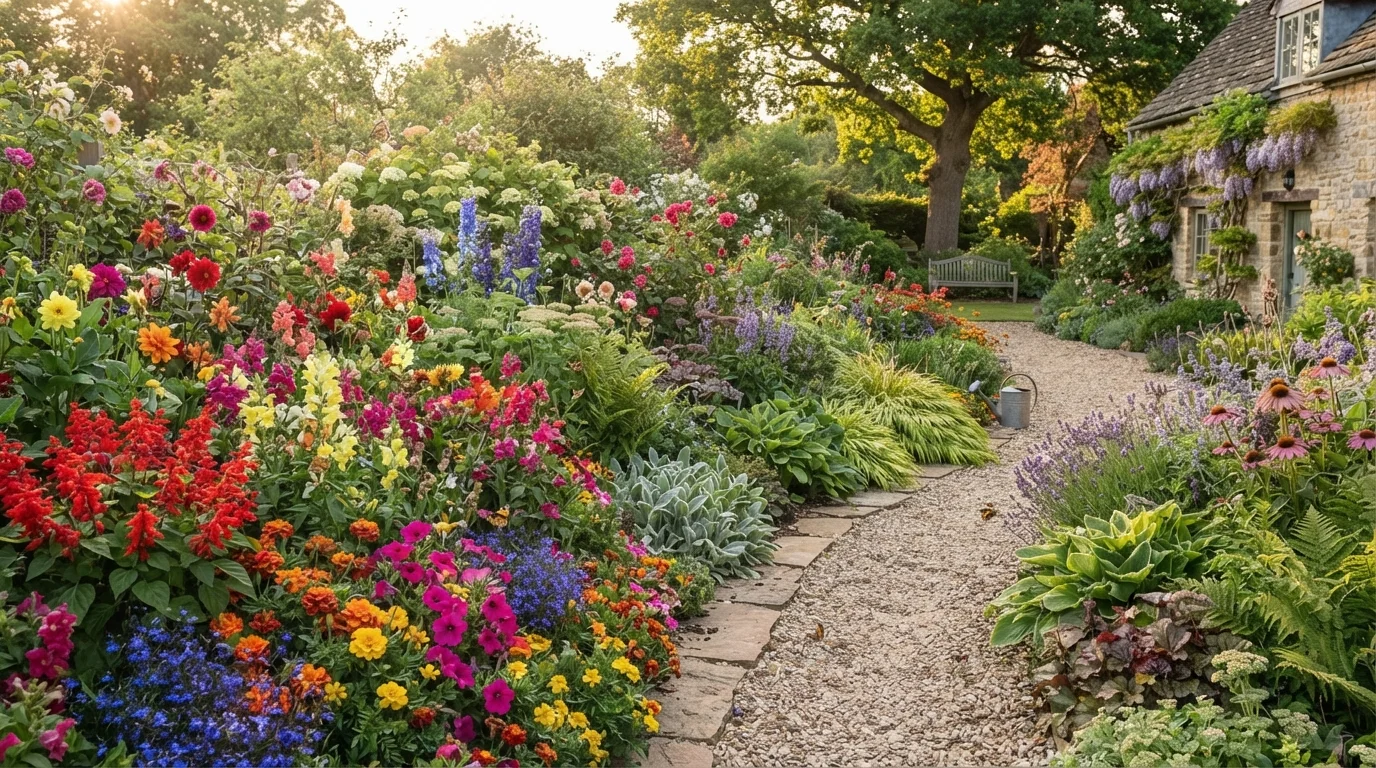
Neither perennials nor annuals are universally superior — they serve different purposes in a well-designed garden. Perennials build lasting structure and reduce replanting costs over time, while annuals deliver reliable, season-long color and creative flexibility. The most rewarding gardens typically blend both, letting perennials anchor the design and annuals fill the gaps with seasonal vibrancy.
| Best for | Recommended |
|---|---|
| Gardeners focused on long-term value and lower replanting effort | Perennials |
| Those who want bold, continuous color and enjoy switching things up each season | Annuals |
| Most home gardeners seeking beauty, structure, and manageable upkeep | A mixed planting approach |
What's the Actual Difference?
The distinction is simpler than it sounds. Annuals complete their entire life cycle — germination, flowering, seed production, and death — within a single growing season. Perennials go dormant in winter and regrow from their root systems each spring, typically for many years.
A few plants blur the line. Biennials take two seasons to complete their cycle, and some tender perennials (plants that are perennial in warm climates) behave like annuals in colder USDA hardiness zones. Knowing your zone matters more than any general rule. If you're new to planning a planting scheme, the beginner's garden guide covers zone basics and soil prep as a solid starting point.
How They Compare Across Key Criteria
Choosing between perennials and annuals — or deciding on a mix — comes down to a handful of practical factors: budget, maintenance time, design goals, and how much flexibility you want season to season.
| Criterion | Perennials | Annuals | |
|---|---|---|---|
| Lifespan | Returns for 3–20+ years | One growing season only | |
| Upfront cost | Higher per plant | Lower per plant | |
| Long-term cost | Lower — no annual replanting | Higher — replanted every year | |
| Bloom duration | Shorter window (weeks) | Continuous through season | |
| Maintenance | Low once established | Regular deadheading and watering | |
| Design flexibility | Fixed placement, long-term | Easy to change each season | |
| Establishment time | 1–3 seasons to peak performance | Performs fully in year one |
The table above captures the broad patterns, but every garden is different. A perennial that thrives in Zone 6 may not survive a Zone 4 winter without extra protection, and annuals in a hot, dry climate may need significantly more watering to perform as advertised.
Start Small and Build Over Time
If you're unsure where to begin, plant a small perennial foundation in one bed and fill the rest with annuals for your first season. Observe what performs well in your specific soil and light conditions before committing to a larger perennial investment. Adjusting a small bed is far less costly than reworking an entire yard.
The Case for Perennials
Perennials are the garden's backbone. Once established — which can take one to three seasons — many require relatively little intervention beyond seasonal cleanup, dividing every few years, and appropriate mulching. Over time, they spread and fill space, reducing the bare soil where weeds compete.
The trade-off is patience. Most perennials follow the gardener's adage: "Sleep, creep, leap" — they rest the first year, grow modestly the second, and truly perform by the third. Their bloom windows also tend to be shorter than annuals, sometimes just two to four weeks, which requires thoughtful planning to avoid visual gaps.
Layering early-, mid-, and late-season perennials is the solution. Pair spring-blooming bulbs with summer coneflowers and fall asters, and your beds can carry interest from March through October. For ideas on keeping that structure tidy as the season ends, see our winter garden preparation checklist.
3–5 years
Time to full perennial establishment
University extension programs commonly note that many herbaceous perennials reach their peak spread and flowering performance within three to five growing seasons.
30–50%
Potential reduction in annual replanting costs
Shifting a garden from mostly annuals to a perennial-dominant planting scheme can substantially reduce year-over-year plant purchasing, though exact savings vary by plant selection and garden size.
The Case for Annuals
Annuals are workhorses of season-long color. Because they're racing to set seed before they die, they flower continuously — which is exactly what most gardeners want in containers, window boxes, and border fronts. They also give you a reset every year: if a color combination didn't work, you simply try something different next spring.
The downside is the ongoing cost and labor of replanting. Annual beds require fresh plants or seeds each season, and without consistent watering and deadheading (removing spent flowers to encourage new blooms), performance can drop off mid-summer.
Annuals also shine as gap-fillers while perennials establish. Planting annuals between young perennials in year one keeps beds looking full and suppresses weeds — a strategy that pays dividends as the perennials mature and naturally crowd them out. Consider how your bed layout — whether raised or in-ground — influences drainage and root space for both plant types: raised beds vs. in-ground planting explores those trade-offs in depth.
Building a Mixed Garden That Lasts
Most experienced gardeners land on a mixed approach: perennials for structure and long-term cost efficiency, annuals for color continuity and seasonal creativity. A practical starting ratio is roughly 70% perennials to 30% annuals, adjusted as your garden matures and perennials fill in.
When placing plants, think in layers. Tall, structural perennials (ornamental grasses, coneflowers, black-eyed Susans) go toward the back or center of island beds. Mid-height annuals like zinnias or marigolds carry the middle ground. Low-growing annuals or groundcover perennials anchor the front edge and suppress weeds.
Plant diversity also supports garden health. Mixing species creates habitat for beneficial insects and can reduce pest pressure — a principle explored further in our guide to companion planting. If your broader goal is a garden that looks good without constant intervention, designing a low-maintenance outdoor space offers layout and plant-selection principles worth reading alongside this one.
The content on this site is for informational purposes only and is not a substitute for professional advice. Always consult a qualified professional for guidance specific to your situation.