

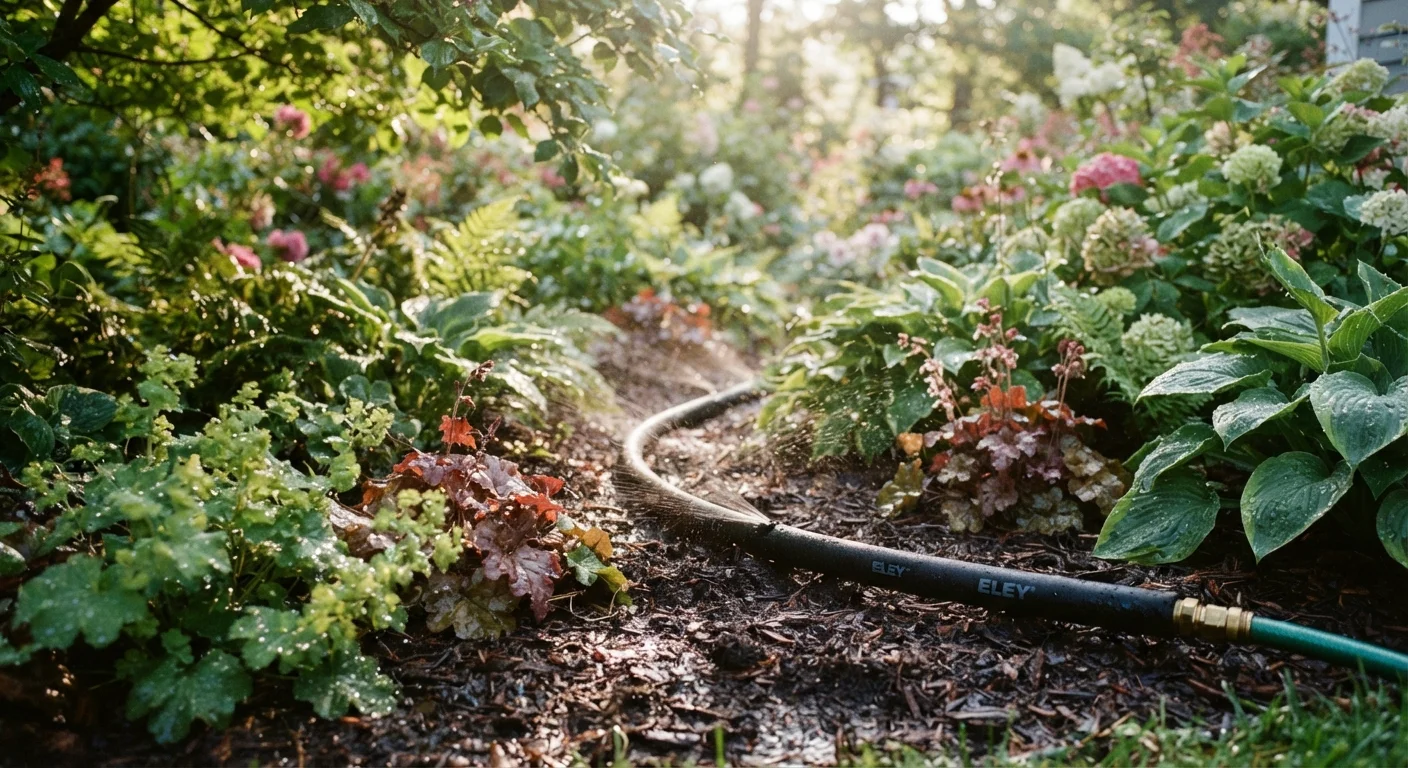
Why Watering Advice Goes Wrong
Watering a garden feels intuitive — plants need water, so give them water. But the gap between instinct and plant science is where most garden problems quietly take root. Common watering myths aren't just harmless oversimplifications; they actively stress plants, waste water, and create conditions for disease and root failure.
The good news: correcting a few core misunderstandings can transform how your plants perform. Understanding what's actually happening at the soil and root level — rather than relying on visual guesswork — is the foundation of a healthier garden. For a broader look at what your growing medium is doing for (or against) you, see our guide to soil health.
Myth
Plants need water every single day to stay healthy.
Fact
Most established garden plants thrive with deep, infrequent watering — typically every few days to once a week, depending on species and conditions.
Daily shallow watering keeps moisture near the soil surface, which trains roots to grow upward rather than downward. Shallow root systems are more vulnerable to heat stress, drought, and instability. Deep watering — soaking the soil to 6–8 inches — encourages roots to follow moisture downward, building the kind of resilience that sustains plants through dry spells. Frequency should be guided by soil moisture, plant type, and season — not by a daily routine.
Myth
Watering leaves in the sun causes leaf scorch or burns.
Fact
There is no scientific evidence that water droplets on leaves in sunlight cause burning under normal garden conditions.
This widely repeated belief has been tested in research and found to be largely unsupported for the plants and light intensities found in typical gardens. The real concern with overhead watering is timing: watering late in the evening leaves foliage wet overnight, which creates conditions favorable for fungal disease. Morning watering is the practical ideal — any moisture on leaves evaporates quickly as temperatures rise, and plants have what they need heading into the warmest part of the day.
Myth
If a plant is wilting, it definitely needs more water.
Fact
Wilting is a symptom of water stress in either direction — both underwatering and overwatering can cause plants to wilt.
Overwatered roots become oxygen-deprived and begin to rot. Damaged roots can no longer transport water effectively to the plant, causing the same drooping appearance as drought stress. Before watering a wilting plant, check the soil: if it's already wet several inches down, additional water will worsen the problem. Overwatering is one of the most common causes of plant death in home gardens, often because gardeners mistake the symptoms of root damage for thirst.
Myth
A sprinkler system set to run daily ensures your garden is well-watered.
Fact
Automated irrigation schedules frequently over- or under-water because they don't account for rainfall, seasonal changes, or soil conditions.
A fixed daily sprinkler schedule runs the same program regardless of whether it rained two inches yesterday or whether the soil is still saturated from a cool week. Smart irrigation controllers with rain sensors or soil moisture sensors address this directly, but even a simple habit of checking the soil before running irrigation prevents significant water waste and plant stress. Irrigation is a tool — it still requires informed human oversight to be used well.
Myth
All plants need the same amount of water.
Fact
Water needs vary enormously by plant species, root depth, soil type, sun exposure, and life stage.
A newly transplanted seedling needs consistent moisture to establish its root system, while a mature lavender shrub in well-drained soil may need little or no supplemental water during a normal season. Succulents, native prairie plants, and Mediterranean herbs are adapted to lean conditions; heavy clay soil retains moisture far longer than sandy loam. Grouping plants with similar water needs together — a principle called hydrozoning — makes irrigation far more efficient and reduces stress across the garden. If you're losing seedlings before they establish, understanding what goes wrong at the seedling stage can help identify whether watering is part of the problem.
Putting Better Watering Into Practice
Once you understand what plants actually need, smarter watering habits follow naturally. A few practical adjustments make a real difference:
- Check the soil, not the calendar. Push a finger or a wooden dowel 2–3 inches into the soil. If it comes out moist, skip the watering session. Most established plants benefit from soil drying slightly between waterings.
- Water deeply and less often. Aim for moisture reaching 6–8 inches down. This encourages roots to grow downward toward more stable water reserves rather than clustering near the surface.
- Use mulch as a water-retention ally. A 2–3 inch layer of organic mulch (shredded bark, straw, or compost) slows evaporation significantly, reducing how frequently you need to water.
- Time it right. Morning is the optimal window — the sun helps dry any incidental moisture on leaves before evening, reducing fungal risk.
50%
Outdoor water use lost to inefficiency
The U.S. Environmental Protection Agency estimates that as much as 50% of outdoor water used for irrigation is wasted due to overwatering, evaporation, and poor system design.
~1 inch
Weekly water most lawns and gardens need
General horticultural guidance suggests most temperate-climate gardens require roughly one inch of water per week from rain or irrigation combined, though this varies by plant type and soil.
If water conservation is a broader goal in your landscape, drought-tolerant gardening strategies offer structural solutions that reduce dependency on supplemental irrigation over time. And if you're building a garden that largely takes care of itself, the principles behind low-maintenance outdoor design are worth exploring alongside your watering habits.
Overwatering Is Harder to Reverse Than Drought Stress
While a drought-stressed plant can often recover quickly once watered, a plant suffering from root rot caused by overwatering faces a much harder path. Saturated soil deprives roots of oxygen and creates ideal conditions for fungal pathogens. If you suspect chronic overwatering, allow the soil to dry out fully before resuming irrigation, and consider improving drainage before the next planting season.
The content on this site is for informational purposes only and is not a substitute for professional advice. Always consult a qualified professional for guidance specific to your situation.