

Our Verdict
The evidence supporting plant-based eating for cardiovascular health, metabolic function, and longevity is among the most consistent in nutrition research. However, it is not a one-size-fits-all solution, and a poorly planned plant-based diet can fall short on critical nutrients. The strength of the approach lies in emphasizing whole, minimally processed plant foods—not in eliminating animal products as an end in itself.
Plant-based eating is a well-supported choice for adults seeking to reduce chronic disease risk, improve metabolic health, or diversify their nutrition—provided they plan thoughtfully or work with a qualified dietitian, especially at life stages with higher nutrient demands.
What 'Plant-Based' Actually Means
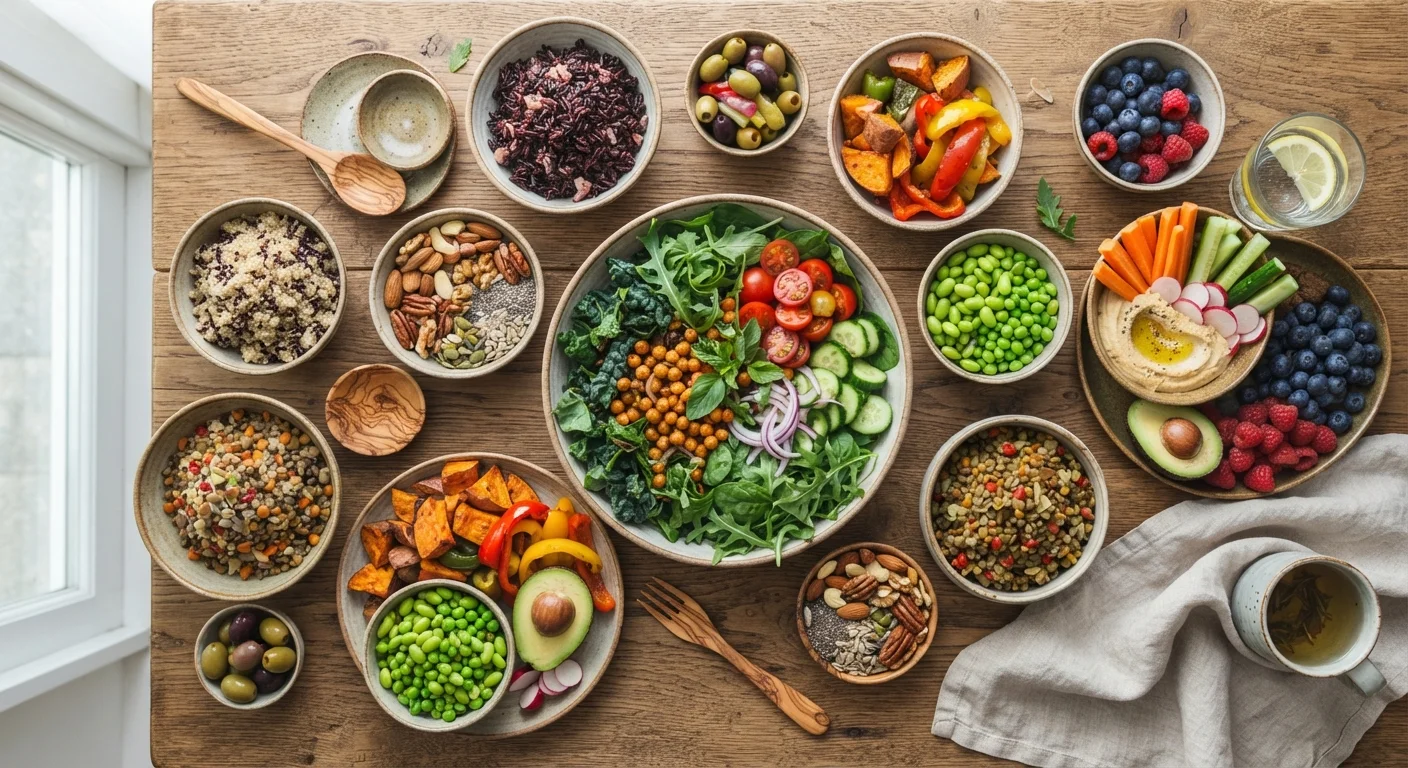
The term plant-based diet is broad enough to encompass several distinct eating patterns. At one end sits veganism, which excludes all animal products. At the other is a flexitarian approach—predominantly plants, with occasional meat, dairy, or fish. In between are vegetarian and pescatarian patterns. What unites them is a shift in proportion: plant foods (vegetables, fruits, legumes, whole grains, nuts, seeds) take center stage.
This distinction matters because much of the research lumps these patterns together, while their nutritional profiles differ meaningfully. A fully vegan diet and a Mediterranean-style diet rich in plants but including fish and olive oil will produce different outcomes in different people. For a broader view of how eating traditions worldwide share certain plant-forward principles, see how global dietary traditions compare.
What the Research Supports
The evidence base for plant-based eating is substantial, particularly in the areas of cardiovascular disease, type 2 diabetes, and all-cause mortality. Large observational studies—including the Adventist Health Studies and the EPIC cohort—consistently show that people eating predominantly plant-based diets have lower rates of heart disease and metabolic conditions.
Linked to lower cardiovascular disease risk
Multiple large cohort studies associate plant-predominant diets with significantly lower rates of heart disease and stroke, largely attributed to reduced saturated fat intake and higher fiber consumption.
Supports healthy blood sugar and weight management
High fiber intake from legumes, vegetables, and whole grains slows glucose absorption and promotes satiety, factors consistently associated with improved insulin sensitivity and healthier body weight.
Associated with reduced risk of certain cancers
Evidence from the World Cancer Research Fund links high consumption of fruits, vegetables, and whole grains with lower colorectal cancer risk, though diet is one factor among many.
Promotes gut microbiome diversity
Dietary fiber from a variety of plant foods feeds beneficial gut bacteria; a diverse microbiome is associated with stronger immune response and reduced systemic inflammation.
Lower environmental footprint in many cases
Shifting toward plant foods is generally associated with lower greenhouse gas emissions and land use compared to diets centered on red meat and dairy, according to environmental nutrition research.
Research published in journals such as JAMA Internal Medicine and The Lancet indicates that higher legume and whole grain intake is associated with improved blood lipid profiles and blood glucose regulation. Fiber-rich plant foods also support a diverse gut microbiome, which is increasingly recognized as central to immune function and metabolic health—a topic explored in depth in our article on why gut health matters for nutrition.
~32%
Lower risk of heart disease in plant-based dieters
A meta-analysis published in the Journal of the American Heart Association found vegetarian diets associated with approximately 32% lower risk of ischemic heart disease compared to non-vegetarian diets.
23%
Reduced type 2 diabetes risk
Research published in PLOS Medicine found that adherence to a healthy plant-based diet index was associated with a 23% lower risk of developing type 2 diabetes.
10–15g
Average daily fiber gap in US adults
The Dietary Guidelines for Americans identify fiber as a nutrient of public health concern; most US adults consume only about half the recommended daily amount, a gap plant-based eating can help close.
Where the Evidence Has Gaps
Despite the encouraging findings, several important caveats apply. Most nutrition research on plant-based diets is observational—researchers track what people eat and what happens to their health, but cannot fully separate diet from other lifestyle factors such as exercise, smoking, or socioeconomic status. Randomized controlled trials in nutrition are rare and difficult to conduct over long periods.
Risk of nutrient deficiencies without careful planning
Vitamin B12, iron, zinc, iodine, omega-3s, and calcium can fall short on fully plant-based diets. Without supplementation or deliberate food choices, deficiencies can develop gradually and go unnoticed.
Protein completeness requires thoughtful combining
Most plant proteins lack one or more essential amino acids in adequate amounts. Eating a variety of protein sources—legumes, grains, seeds—throughout the day helps address this, but it demands more dietary awareness than omnivorous patterns.
Not all plant-based products are nutritionally sound
Many commercially available vegan and plant-based products are ultra-processed and high in sodium, additives, and refined starches—making the label 'plant-based' an unreliable proxy for nutritional quality.
Evidence is mostly observational, limiting causal claims
Long-term randomized trials on plant-based diets are scarce; most evidence comes from cohort studies where people who eat more plants also tend to exercise more and smoke less, making it difficult to isolate diet as the sole driver.
Access and cost can be barriers
Fresh produce, nuts, and seeds can be more expensive or less accessible in food-insecure communities, meaning plant-based eating as typically described may not be equally achievable for all populations.
Quality also matters enormously. The rise of ultra-processed plant-based products—including some meat substitutes high in sodium, saturated fat, and additives—has complicated the picture. Choosing plant-based is not automatically equivalent to choosing healthful. Our guide on whole foods vs. ultra-processed foods explains why this distinction is critical for everyday nutrition decisions.
Nutrients That Require Attention
Adopting a plant-based diet—especially a fully vegan one—requires intentional planning around specific nutrients. Vitamin B12 is found almost exclusively in animal products; supplementation is generally necessary for those following vegan diets. Iron from plants (non-heme iron) is absorbed less efficiently than heme iron from meat, and absorption is affected by other dietary components. Omega-3 fatty acids, particularly EPA and DHA, are sparse in most plant foods, though algae-derived supplements offer a direct vegan source.
Special Populations Need Extra Care
Pregnant individuals, infants, young children, and older adults following plant-based diets face heightened nutrient demands that are harder to meet through food alone. B12, iron, DHA, calcium, and vitamin D are of particular concern. Anyone in these groups should consult a registered dietitian before significantly reducing or eliminating animal foods from their diet to ensure all nutritional needs are met safely.
Calcium, zinc, iodine, and vitamin D are additional nutrients to monitor. Those in higher-need life stages—pregnancy, early childhood, older adulthood—face particular challenges. For practical ideas on building nutritionally complete meals without obsessing over numbers, see building a balanced plate without counting every calorie. For a deeper look at how plant and animal proteins compare in bioavailability and completeness, visit our protein sources compared guide.
This article is for general informational purposes only and does not constitute medical or dietary advice. Consult a registered dietitian or qualified healthcare professional before making significant changes to your diet, particularly if you have a health condition or are in a special population group such as pregnancy or older adulthood.
The content on this site is for informational purposes only and is not a substitute for professional advice. Always consult a qualified professional for guidance specific to your situation.