

Our Verdict
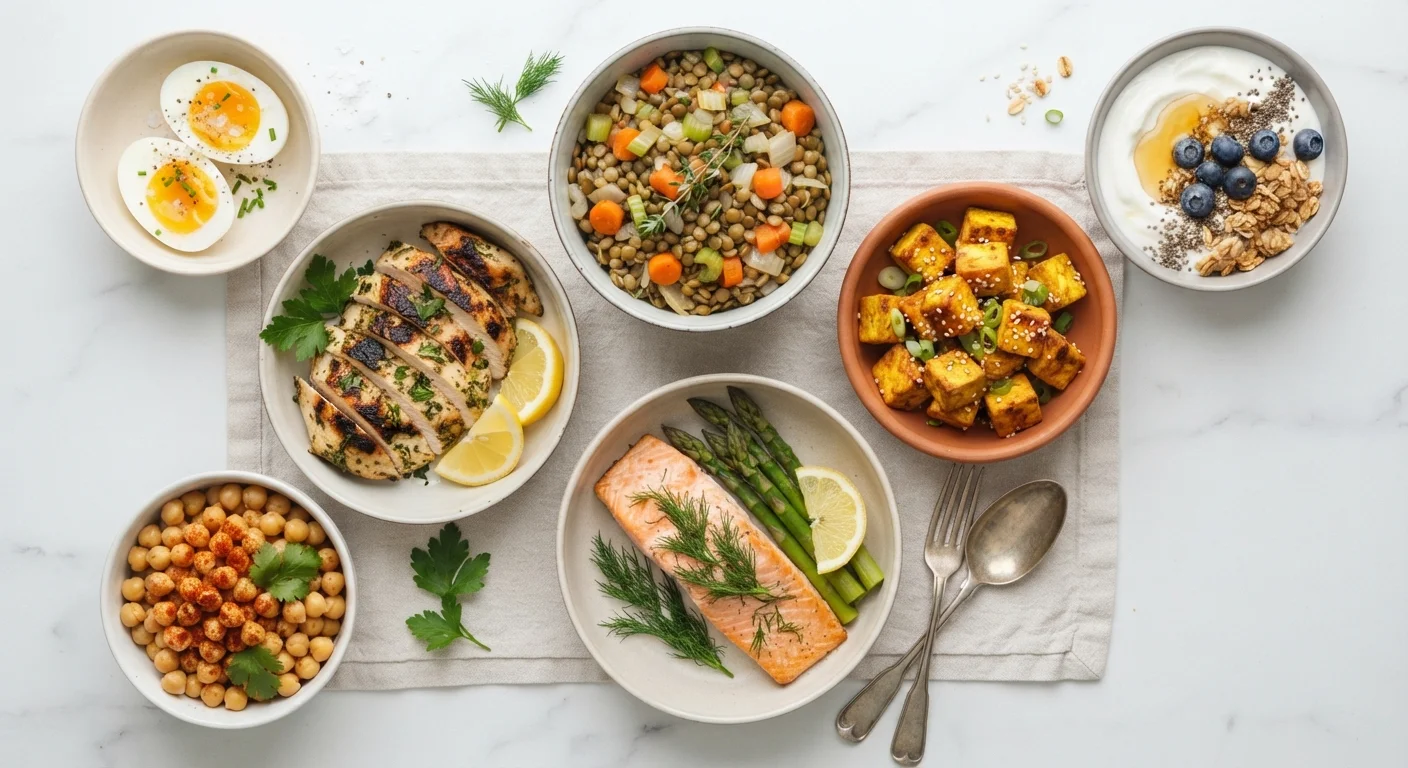
Neither animal nor plant protein is universally superior — each has distinct nutritional strengths and practical trade-offs. The strongest evidence supports dietary variety: eating a mix of quality protein sources, regardless of origin, supports muscle maintenance, satiety, and overall health for most adults.
| Best for | Recommended |
|---|---|
| Those prioritizing complete amino acid profiles with minimal meal planning | Animal proteins (eggs, fish, dairy, poultry) |
| Those seeking lower saturated fat intake alongside fiber and phytonutrients | Plant proteins (legumes, tofu, tempeh, edamame) |
| Those following vegetarian or vegan lifestyles | Varied plant proteins with attention to complementary combinations |
| Most adults wanting flexible, evidence-based protein intake | A mixed approach drawing from both animal and plant sources |
What Makes a Protein Source 'Good'?
Protein quality is evaluated on two main axes: amino acid completeness and bioavailability. Amino acids are the building blocks the body uses for muscle repair, enzyme production, immune function, and more. Of the 20 amino acids, nine are considered essential — meaning the body cannot synthesize them and must obtain them through food.
Bioavailability describes how efficiently the body digests and absorbs the protein consumed. Scores like the PDCAAS and the newer DIAAS attempt to capture both completeness and digestibility in a single metric. Animal proteins routinely score near the top on these measures, but that doesn't make plant proteins inadequate — particularly when diet variety is factored in.
For a broader look at how food quality is assessed in everyday contexts, see our guide on whole foods vs. ultra-processed foods.
Animal Proteins: Strengths and Considerations
Meat, poultry, seafood, eggs, and dairy products are all complete protein sources. They supply all nine essential amino acids and tend to be highly bioavailable. Eggs, for example, are often used as the reference standard in protein quality research. Fatty fish such as salmon provide protein alongside omega-3 fatty acids, which have well-documented associations with cardiovascular and cognitive health.
That said, animal proteins vary considerably in their accompanying nutritional profile. Red and processed meats carry higher levels of saturated fat and have been linked in observational research to elevated cardiovascular risk when consumed in large amounts. Lean choices — skinless poultry, fish, low-fat dairy, eggs — offer the amino acid benefits with fewer of those trade-offs.
Watch Out for Heavily Processed 'Protein' Products
Many packaged foods marketed as high-protein — certain protein bars, meat alternatives, and shakes — contain significant amounts of added sugar, sodium, or saturated fat alongside their protein content. Checking the full nutrition label gives a clearer picture of what you're actually consuming. See our nutrition label guide for help decoding these products.
Environmental load and cost are also real considerations. Sustainably sourced and minimally processed animal proteins generally align more closely with both health and broader well-being goals.
Plant Proteins: Strengths and Considerations
Legumes, tofu, tempeh, edamame, lentils, quinoa, and hemp seeds are among the most protein-dense plant foods. With the exception of soy and quinoa — both complete proteins — most plant sources are low in one or more essential amino acids. However, research consistently shows that eating a variety of plant proteins throughout the day (not necessarily within a single meal) provides adequate amounts of all essential amino acids for most healthy adults.
Plant proteins come packaged with fiber, antioxidants, and phytonutrients absent from animal foods. Large observational studies associate higher legume consumption with lower rates of heart disease, type 2 diabetes, and certain cancers, though diet patterns as a whole — not single foods — drive these outcomes.
Simple Ways to Boost Plant Protein Digestibility
Soaking dried legumes overnight and discarding the soaking water reduces phytic acid, which can inhibit mineral absorption. Fermented soy products like tempeh and miso have enhanced digestibility compared to unfermented versions. Sprouting seeds and legumes is another low-effort method shown to improve nutrient availability.
Digestibility is sometimes lower due to fiber content and naturally occurring compounds like phytates. Cooking, soaking, sprouting, or fermenting legumes improves both digestibility and mineral absorption substantially.
For a deeper look at the evidence on plant-centered eating overall, see what the research says about plant-based diets.
Side-by-Side: How the Categories Compare
The table below summarizes how animal and plant proteins stack up across the criteria most relevant to everyday food decisions.
| Criterion | Animal Proteins | Plant Proteins | |
|---|---|---|---|
| Amino acid completeness | Complete (all 9 essential AAs) | Often incomplete; soy & quinoa are exceptions | |
| Bioavailability (DIAAS) | Generally high (0.9–1.18) | Moderate to high (0.5–1.0, varies by food) | |
| Fiber content | None | Significant; supports gut health | |
| Saturated fat | Variable; higher in red/processed meats | Generally low | |
| Cost per gram of protein | Moderate to high (especially fish) | Generally low to moderate | |
| Environmental footprint | Higher on average | Lower on average | |
| Meal planning complexity | Low — single sources are complete | Moderate — variety improves amino acid coverage |
No single criterion tells the whole story. Understanding how to read protein content on packaging helps here — our guide to nutrition labels explains what the numbers actually mean.
~0.8g/kg
Recommended daily protein intake for adults
The U.S. Dietary Reference Intake (DRI) sets 0.8 grams of protein per kilogram of body weight per day as the minimum for most healthy adults.
~30%
Higher digestibility of animal vs. plant protein
Research using DIAAS methodology suggests animal proteins are digested roughly 25–30% more efficiently than many unprocessed plant sources, though cooking and processing narrow this gap.
2x
Fiber advantage of legume-based protein meals
A meal centered on lentils or beans typically provides roughly double the dietary fiber of an equivalent animal-protein meal, supporting satiety and digestive health.
Putting It Together in Everyday Eating
For most people, the most practical strategy isn't choosing one category over the other — it's building meals that pull from both. A breakfast of eggs with black beans, a lunch featuring a lentil and chicken grain bowl, or a dinner with tofu and edamame all represent sensible combinations that cover amino acid needs without rigid rules.
Individual factors — digestive tolerance, food allergies, cultural preferences, budget, and any underlying health conditions — should guide personal choices. People managing kidney disease, for instance, may need professional guidance on total protein intake and source selection. Always consult a qualified healthcare provider or registered dietitian before making significant dietary changes, especially if you have a chronic health condition.
If sorting credible protein information from online noise feels overwhelming, our piece on navigating nutrition advice online offers a practical framework for evaluating sources.
This article is for general informational and educational purposes only and is not a substitute for professional medical or dietary advice. Consult a qualified healthcare provider or registered dietitian for guidance specific to your health needs.
The content on this site is for informational purposes only and is not a substitute for professional advice. Always consult a qualified professional for guidance specific to your situation.