

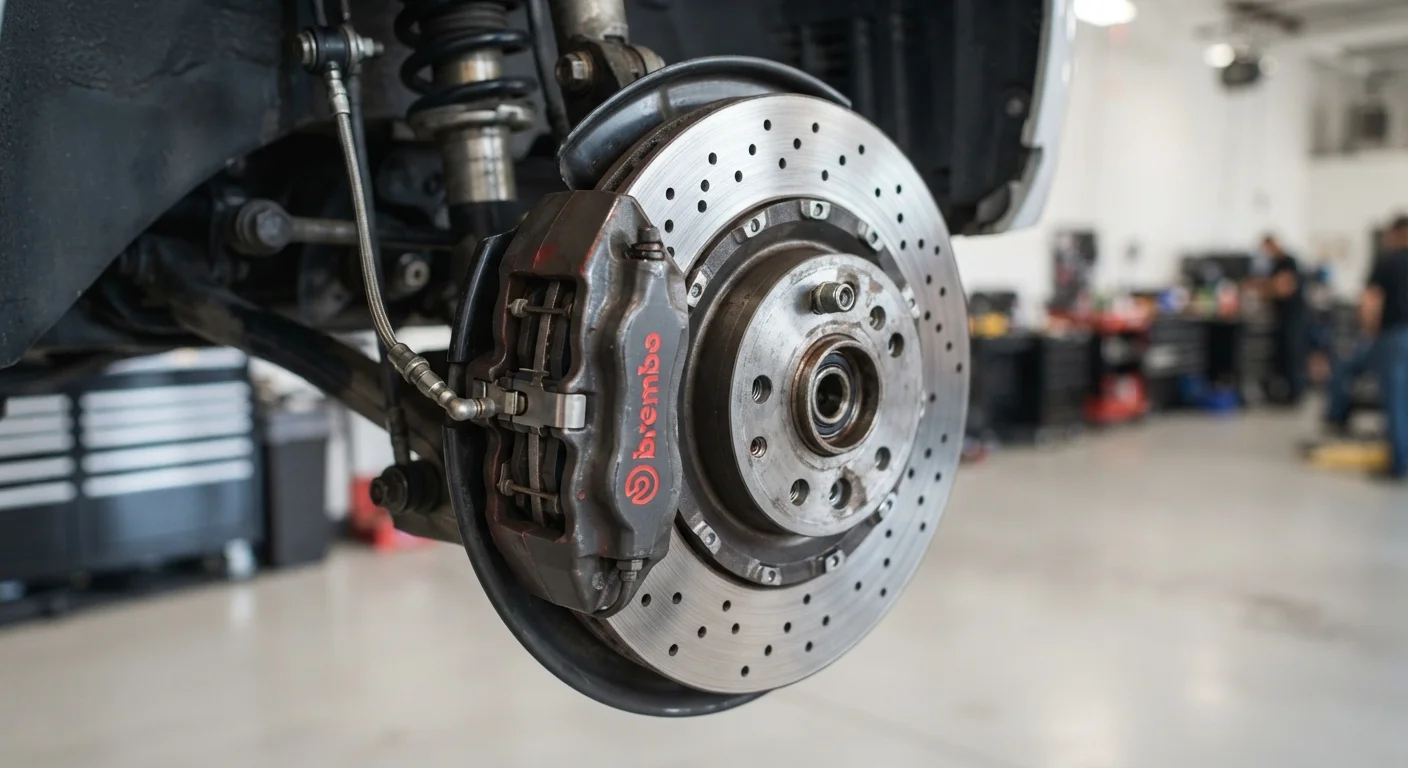
Why Brake Health Is a Safety Priority
Your vehicle's brakes are its most important safety system. Every stop you make — from a gentle deceleration at a traffic light to an emergency halt — depends entirely on the condition of your brake components. Yet brakes wear gradually, and the changes often happen slowly enough that drivers may not notice until performance is already compromised.
Understanding how brakes work and what they need empowers you to catch problems early. As part of broader road safety awareness, brake knowledge belongs in every driver's toolkit — not just mechanics. If you're new to car ownership, this topic also fits naturally into foundational car maintenance habits worth building from the start.
25,000–65,000 mi
Typical brake pad lifespan
Estimates vary based on vehicle type, driving conditions, and braking habits — urban stop-and-go driving accelerates wear considerably.
2–3 years
Recommended brake fluid replacement interval
Many vehicle manufacturers advise replacing brake fluid every two to three years due to moisture absorption; always verify against your owner's manual.
~30%
Increase in stopping distance with worn brakes
Research from transport safety bodies has shown that degraded brake components can meaningfully extend stopping distances, particularly at highway speeds.
The Warning Signs Your Brakes Send
Brakes rarely fail without warning. Knowing what to look — and listen — for can make the difference between a routine service visit and a dangerous situation.
- Squealing or high-pitched noise: Most brake pads include a small metal wear indicator that produces a deliberate squeal when pads are low. If you hear this consistently, the pads need inspection.
- Grinding noise: A grinding or growling sound during braking typically means pad material has worn through entirely and metal is contacting metal. This damages rotors and requires immediate attention.
- Spongy or soft pedal: If the brake pedal feels softer than usual or sinks toward the floor, the hydraulic system may have air in the lines or degraded fluid — both reduce braking force.
- Vibration or pulsing: A steering wheel that shakes or a pedal that pulses during braking often signals warped or unevenly worn rotors.
- Pulling to one side: If your car drifts left or right when braking, a caliper may be sticking or brake wear may be uneven across the axle.
- Brake warning light: Many vehicles have a dedicated brake system warning light. If it illuminates, consult your dashboard warning light guide before continuing to drive.
Trust Your Senses When Braking
Any change in the way your brakes sound, feel, or respond is worth investigating. You know what your vehicle feels like under normal conditions — unusual noises, vibrations, or pedal behavior are your car communicating that something has changed. Don't wait for a scheduled service if you notice something different; have it looked at promptly.
Component Lifespans: Pads, Rotors, and Fluid
Brake systems are made up of several components, each with its own service life. Understanding them separately helps you have more informed conversations with your mechanic.
Brake Pads
Brake pads are friction material pressed against the rotor to slow the vehicle. They are the most frequently replaced brake component. General estimates range from 25,000 to 65,000 miles, but city drivers who brake often may see wear at the lower end. Performance or heavy vehicles may wear pads faster.
Rotors (Brake Discs)
Rotors are the metal discs that pads clamp against. They last longer than pads — often 50,000 to 70,000 miles or more — but they wear, warp, and can develop surface scoring. Rotors have a minimum thickness specification; once they fall below it, replacement is required regardless of outward appearance.
Brake Fluid
Brake fluid transfers hydraulic force through the system. It absorbs moisture over time, which lowers its boiling point and can lead to brake fade under sustained heavy use. Most manufacturers recommend inspection at every oil change and replacement every two to three years, though your owner's manual is the authoritative reference.
Brake maintenance pairs well with other seasonal checks — seasonal vehicle preparation is an ideal time to include a brake system review.
When to See a Professional and What to Expect
While visual checks — like peering through your wheel spokes to estimate pad thickness — offer a rough guide, brake system assessment genuinely requires a hands-on inspection. A qualified mechanic will measure pad thickness with calipers, check rotor thickness and surface condition, test brake fluid moisture content, and inspect calipers and brake lines for leaks or damage.
Brake work is safety-critical. Even if you are mechanically inclined, any uncertainty about your findings warrants a professional opinion. The cost of a brake inspection is modest compared to the consequences of reduced stopping performance.
Stopping distance is not just about brakes in isolation — tyre condition plays an equally significant role, and both systems should be evaluated together. Integrating brake checks into a broader habit of consistent vehicle maintenance keeps your car reliable and your driving safer over the long term.
Brake Inspections Are Often Included in Routine Services
Many shops include a basic brake inspection during oil changes or tire rotations at no additional charge. Taking advantage of these touchpoints means problems are more likely to be caught early, before they progress to costlier repairs or safety concerns. Ask your service provider what's included in each visit.
Frequently Asked Questions
Brake pads typically need replacement every 25,000 to 65,000 miles, though this varies widely based on driving style, vehicle weight, and whether you drive more in city or highway conditions. Hard, frequent braking — common in urban stop-and-go traffic — accelerates wear significantly. Always check your owner's manual for manufacturer guidance.
A spongy or soft pedal usually indicates air in the brake lines or degraded brake fluid that has absorbed moisture. Both conditions reduce hydraulic pressure efficiency and compromise braking response. This should be diagnosed by a mechanic promptly, as it is a safety concern.
A brief squeal in wet or cold conditions is often harmless, but persistent squealing — especially when braking normally — often signals that brake pads are nearing the end of their usable life. Continuing to drive without inspection risks damaging the rotors and reducing braking effectiveness.
Common signs include steering wheel vibration when braking, visible deep grooves or scoring on the rotor surface, and a pulsing sensation through the brake pedal. A mechanic can measure rotor thickness to confirm whether resurfacing or full replacement is necessary.
Yes. Brake fluid is hygroscopic — it absorbs moisture over time — which lowers its boiling point and can reduce braking performance, particularly under heavy use. Many manufacturers recommend replacing brake fluid every two to three years, but always defer to your specific vehicle's service schedule.
Brake pad replacement is within the scope of experienced DIY mechanics, but brakes are safety-critical components. Any mistakes can have serious consequences. If you are not confident in your mechanical ability or do not have the correct tools, having a qualified professional perform the work is strongly recommended.
The content on this site is for informational purposes only and is not a substitute for professional advice. Always consult a qualified professional for guidance specific to your situation.