

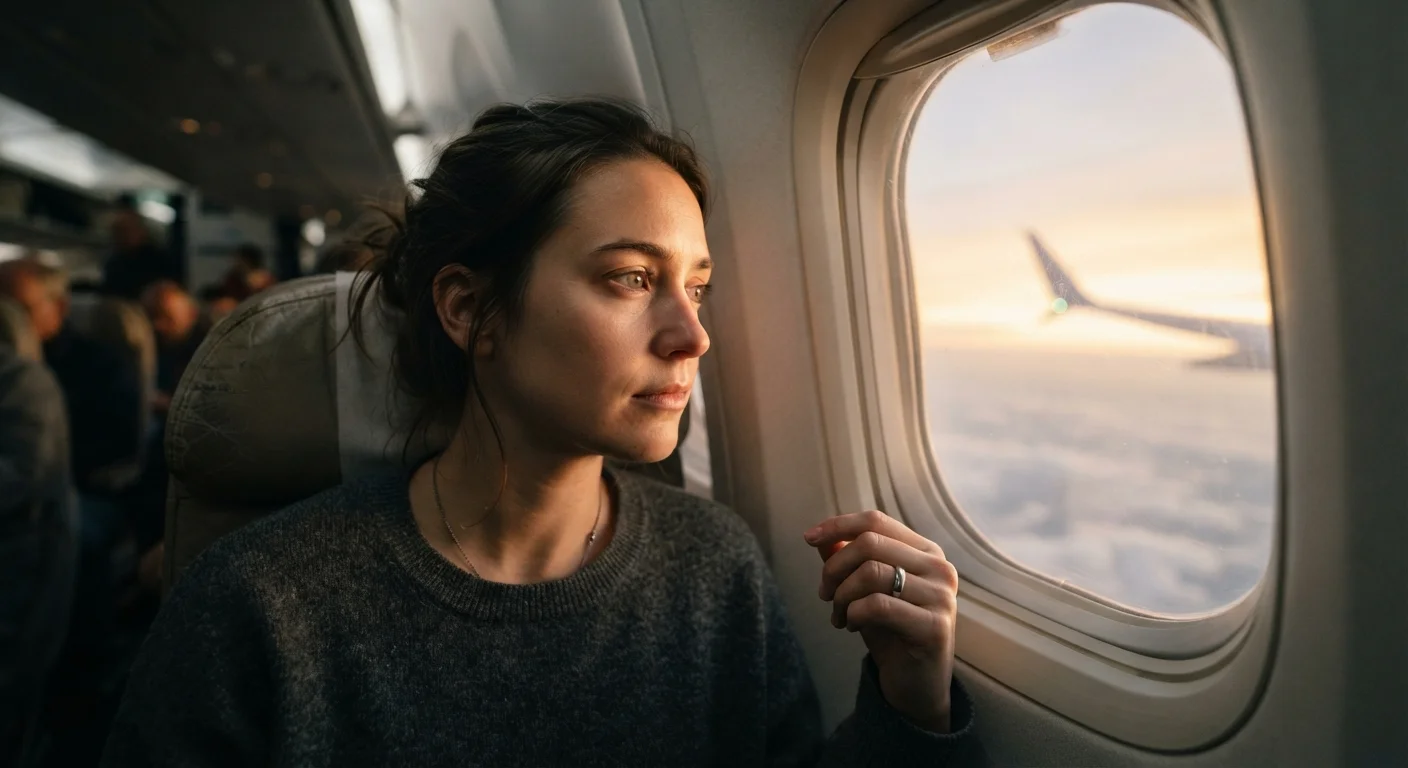
What's Actually Happening Inside Your Body
When you board a flight from New York to London and land eight time zones ahead, your brain hasn't caught up. The suprachiasmatic nucleus — a cluster of neurons in the hypothalamus that acts as the body's master clock — is still operating on Eastern Time. It regulates the release of melatonin (the hormone that signals sleep), cortisol (which promotes alertness in the morning), body temperature, and digestive activity, all timed to your home environment.
The trouble is that organs throughout your body — your liver, gut, and heart — each carry their own peripheral clocks. These are normally synchronized by the master clock and by external cues called zeitgebers (German for "time givers"), the most powerful of which is light. When you cross many time zones quickly, these internal clocks fall out of sync with each other and with the new local day-night cycle. The result is a system-wide mismatch that no amount of willpower can override. Understanding how time zones relate to this biology provides useful additional context.
~1 day
Recovery time per time zone crossed
A widely referenced general guideline among sleep researchers, though individual recovery varies considerably.
3+
Time zones needed to trigger noticeable jet lag
Crossing fewer than three time zones typically produces minimal circadian disruption for most adults.
25 hrs
Natural length of human circadian rhythm
The human body clock runs slightly longer than 24 hours, which is one reason westward travel (clock delay) tends to feel easier than eastward travel (clock advance).
Symptoms Go Well Beyond Sleepiness
Most travelers recognize the heavy-eyed fatigue, but jet lag produces a wider range of effects that can catch people off guard:
- Cognitive fog: Difficulty concentrating, slower reaction times, and impaired memory are consistent findings in jet lag research. This is worth keeping in mind if you plan to drive after landing — fatigue behind the wheel carries real safety risks that mirror sleep deprivation.
- Digestive disruption: Your gut has its own circadian rhythm. When it's misaligned, you may experience nausea, constipation, appetite loss, or unexpected hunger at odd hours.
- Mood changes: Irritability, low motivation, and even mild anxiety are common. The relationship between disrupted sleep and emotional well-being is well-established — poor sleep and mood interact in a reinforcing cycle that jet lag can trigger.
- Performance decline: Athletes and researchers have documented measurable drops in strength, coordination, and decision-making speed during jet lag.
Jet Lag Is a Medical Classification
The American Academy of Sleep Medicine classifies jet lag as a circadian rhythm sleep-wake disorder. While it is temporary and self-resolving for most travelers, people with existing sleep disorders, mood conditions, or chronic illnesses may experience more pronounced effects and should consult a healthcare professional for personalized guidance before long-haul travel.
What Makes Jet Lag Worse — and What Helps
Several factors amplify the disruption. Direction of travel matters significantly: eastward trips ask your body to advance its clock, which is harder than delaying it. The number of time zones crossed is the biggest overall predictor of severity. Age plays a role too — older adults generally adapt more slowly.
Cabin conditions compound the problem. Low humidity in aircraft cabins can contribute to dehydration, and alcohol or caffeine consumed in flight may further disrupt sleep quality. Many assumptions about long-haul flying — including which habits actually help — are worth examining before your next trip.
Adjust Your Sleep Before You Depart
In the two to three days before an eastward trip, try going to bed and waking one to two hours earlier than usual. For westward travel, shift in the opposite direction. Even a partial pre-adjustment can reduce the severity of jet lag on arrival. Discuss any significant schedule shifts with a healthcare provider if you have an existing sleep condition.
On arrival, the most evidence-supported strategy for resetting your clock is deliberate light exposure. Bright natural light in the morning helps advance your clock (useful for eastward travelers); evening light helps delay it (useful after westward travel). Timing matters more than intensity alone. Staying active and eating meals on the local schedule also send meaningful signals to your peripheral clocks. General hydration and avoiding heavy alcohol remain sensible supporting habits, though they address symptoms rather than the root cause.
If you're curious how physical stress responses overlap with these biological disruptions, the science behind why stress feels physical shares some underlying mechanisms worth understanding.
Frequently Asked Questions
A commonly cited guideline suggests roughly one day of recovery for each time zone crossed, though this varies considerably by individual, direction of travel, and how well you manage light exposure and sleep on arrival. Eastward trips tend to take longer to recover from than westward ones.
Eastward travel requires your body clock to advance — essentially waking and sleeping earlier than it wants to. The human circadian rhythm naturally runs slightly longer than 24 hours, making it easier to delay sleep (westward adjustment) than to advance it (eastward adjustment).
Melatonin is a hormone produced by the body at night and is often discussed in relation to jet lag. Some research suggests it may help shift the body clock when timed correctly, but it is not a guaranteed fix. Consult a healthcare professional before using any supplement, including melatonin, especially if you take other medications.
Crossing only one or two time zones — common on many domestic US routes — typically causes only mild disruption, if any. True jet lag is most noticeable across three or more time zones. Fatigue from domestic travel is more often due to dehydration, disrupted sleep schedules, or early departure times.
Sleep deprivation before a flight does not reliably accelerate jet lag recovery and can actually worsen cognitive impairment on arrival. A more effective approach is gradually adjusting your sleep and wake times in the days before departure to partially align with your destination.
Age, individual chronotype (whether you're a natural early riser or night owl), baseline sleep health, and overall physical condition all influence jet lag severity. Older adults and people with existing sleep disorders may find symptoms more pronounced.
The content on this site is for informational purposes only and is not a substitute for professional advice. Always consult a qualified professional for guidance specific to your situation.