

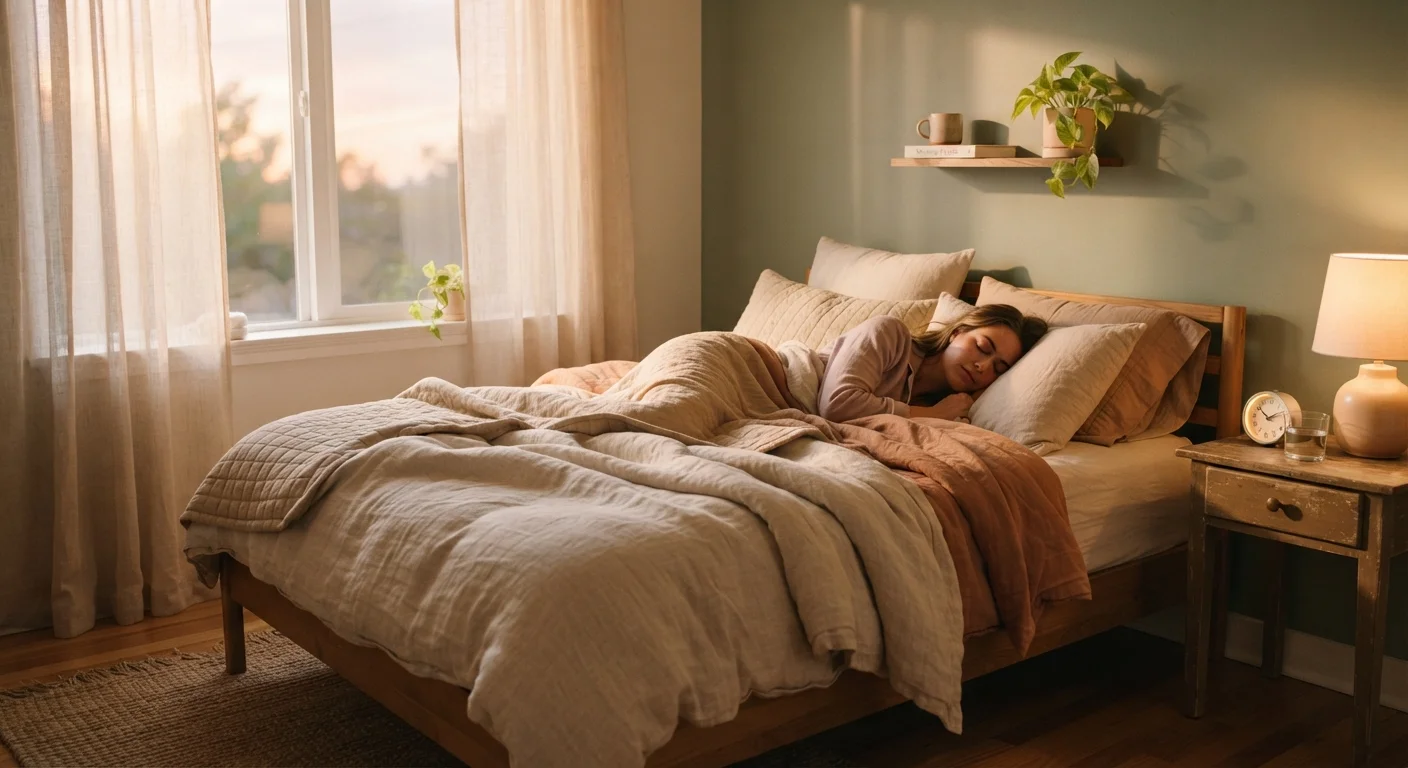
Why Sleep and Mood Are Inseparable
Most people have experienced a bad night's sleep followed by a shorter fuse, difficulty concentrating, or a general sense of emotional flatness. This isn't coincidence — it reflects well-established neuroscience. Sleep is the period during which the brain consolidates emotional memories, regulates stress hormones, and resets circuits involved in mood. When that process is interrupted, emotional regulation suffers in measurable ways.
Research consistently shows that sleep-deprived individuals display greater reactivity to negative stimuli and reduced ability to access positive emotional responses. In practical terms, this means stressors that would normally feel manageable can feel overwhelming after poor sleep — and that emotional resilience, the capacity to bounce back from difficulty, depends partly on how well we've rested.
~10x
Higher depression risk with chronic insomnia
Research published in peer-reviewed sleep medicine literature has estimated that people with persistent insomnia may face significantly elevated risk of developing depression compared to sound sleepers.
1 in 3
U.S. adults not getting enough sleep
The Centers for Disease Control and Prevention (CDC) has reported that approximately one-third of American adults regularly sleep fewer than the recommended seven hours per night.
7–9 hrs
Recommended nightly sleep for most adults
The American Academy of Sleep Medicine and the Sleep Research Society recommend seven to nine hours of sleep per night for adults to support overall health, including mental well-being.
How Mood Disrupts Sleep: The Other Direction
The relationship doesn't run only one way. Anxiety, low mood, and chronic stress are among the most common reasons people struggle to fall or stay asleep. Anxiety, in particular, tends to activate the body's stress-response system at night, flooding the brain with worry-driven thoughts just when quiet is needed. Depression is frequently accompanied by changes in sleep architecture — including early morning waking, difficulty entering deep sleep, and fragmented rest — even when the person feels exhausted.
This creates the cycle that clinicians describe as bidirectional: emotional distress undermines sleep quality, and poor sleep deepens emotional distress. Neither problem is simply a side effect of the other. Both can be entry points to the cycle, and both need attention for meaningful improvement. For a broader look at how emotional needs shift throughout life, see how mental wellness challenges evolve across life stages.
“Sleep is not a passive state. The sleeping brain is actively working to process emotions, consolidate memory, and prepare the mind for the challenges of the following day.”
— Matthew Walker, Neuroscientist and sleep researcher, author of widely cited work on sleep science
What the Research Supports
Studies tracking large populations over time have found that individuals with insomnia face a substantially higher risk of developing depression compared to those without sleep difficulties. Similarly, anxiety disorders are among the conditions most closely linked to disrupted sleep onset and maintenance. Importantly, treating sleep problems — through approaches such as cognitive behavioral therapy for insomnia (CBT-I), which is considered a first-line clinical intervention — has shown positive effects on mood even when mood is not directly targeted.
Emerging research also points to the role of REM (rapid eye movement) sleep in emotional processing. During REM sleep, the brain replays and recontextualizes emotional experiences, a process thought to reduce the emotional charge of distressing memories. Disrupting REM sleep — as certain substances and even some medications can do — may interfere with this natural emotional regulation mechanism.
CBT-I: A First-Line Clinical Option
Cognitive Behavioral Therapy for Insomnia (CBT-I) is recognized by major clinical bodies as a first-line treatment for chronic insomnia — often preferred over sleep medications for long-term management. It works by addressing thought patterns and behaviors that perpetuate sleeplessness. CBT-I is available through trained therapists and increasingly through structured digital programs. Ask a healthcare provider whether it may be appropriate for your situation.
Social Connection Also Plays a Role
Sleep and mood don't operate in isolation from the rest of daily life. Social connection is another factor with documented effects on emotional well-being — and loneliness can worsen both sleep quality and mood. Explore how intentional social habits support mental wellness for more context.
Practical Steps to Support Both
While no lifestyle change replaces professional care for clinical sleep disorders or mental health conditions, a range of evidence-informed habits can meaningfully support the sleep-mood relationship in everyday life. Consistency is key: the brain's sleep-wake cycle (the circadian rhythm) responds strongly to regular schedules, so maintaining consistent sleep and wake times — even on weekends — helps anchor mood-regulating processes.
- Wind-down routines: A 30–60 minute buffer before bed that avoids screens and stimulating content helps signal the brain toward rest.
- Physical activity: Regular movement during the day is associated with both improved sleep quality and better emotional well-being. What research shows about movement and mental health offers a deeper look.
- Limiting alcohol and caffeine: Both substances interfere with sleep architecture in ways that can compound emotional effects the following day.
- Mindfulness and relaxation practices: These can help calm the stress-response system that disrupts sleep onset.
Building these habits into a predictable daily structure improves their effectiveness. Designing a daily mood routine that holds offers practical guidance on doing exactly that. A weekly mental wellness check-in can also help you track whether sleep and mood improvements are taking hold over time.
This article is for informational purposes only and is not a substitute for professional medical or mental health advice. If you are experiencing persistent sleep difficulties or mood-related symptoms, please consult a qualified healthcare professional.
Frequently Asked Questions
Research shows that chronic sleep deprivation is a significant risk factor for developing depression, not merely a symptom of it. The relationship is bidirectional — sleep problems can both precede and worsen depressive episodes. That said, sleep issues alone do not determine whether someone develops depression; multiple factors are involved. Anyone experiencing persistent low mood should speak with a healthcare professional.
Public health guidelines generally recommend seven to nine hours of sleep per night for most adults, though individual needs vary. Consistently sleeping below this range has been associated with increased emotional reactivity, reduced stress tolerance, and higher anxiety. Quality matters as much as quantity — fragmented or non-restorative sleep carries similar risks.
Anxiety activates the body's stress-response system, raising cortisol and keeping the brain in a state of heightened alertness — essentially the opposite of what's needed for sleep onset. Racing thoughts and physical tension are common anxiety symptoms that interfere with winding down. Managing anxiety through evidence-based approaches can improve sleep, and vice versa.
Consistent sleep and wake times, limiting screen exposure before bed, regular physical activity, and reducing caffeine intake in the afternoon are habits supported by research for improving both sleep quality and emotional well-being. These work best as part of a broader self-care approach rather than as quick fixes.
If sleep difficulties persist for more than a few weeks, significantly impact daily functioning, or accompany persistent low mood, anxiety, or other emotional symptoms, it is important to consult a qualified healthcare professional. Self-care strategies are helpful but are not a substitute for clinical assessment when symptoms are serious.
The content on this site is for informational purposes only and is not a substitute for professional advice. Always consult a qualified professional for guidance specific to your situation.