

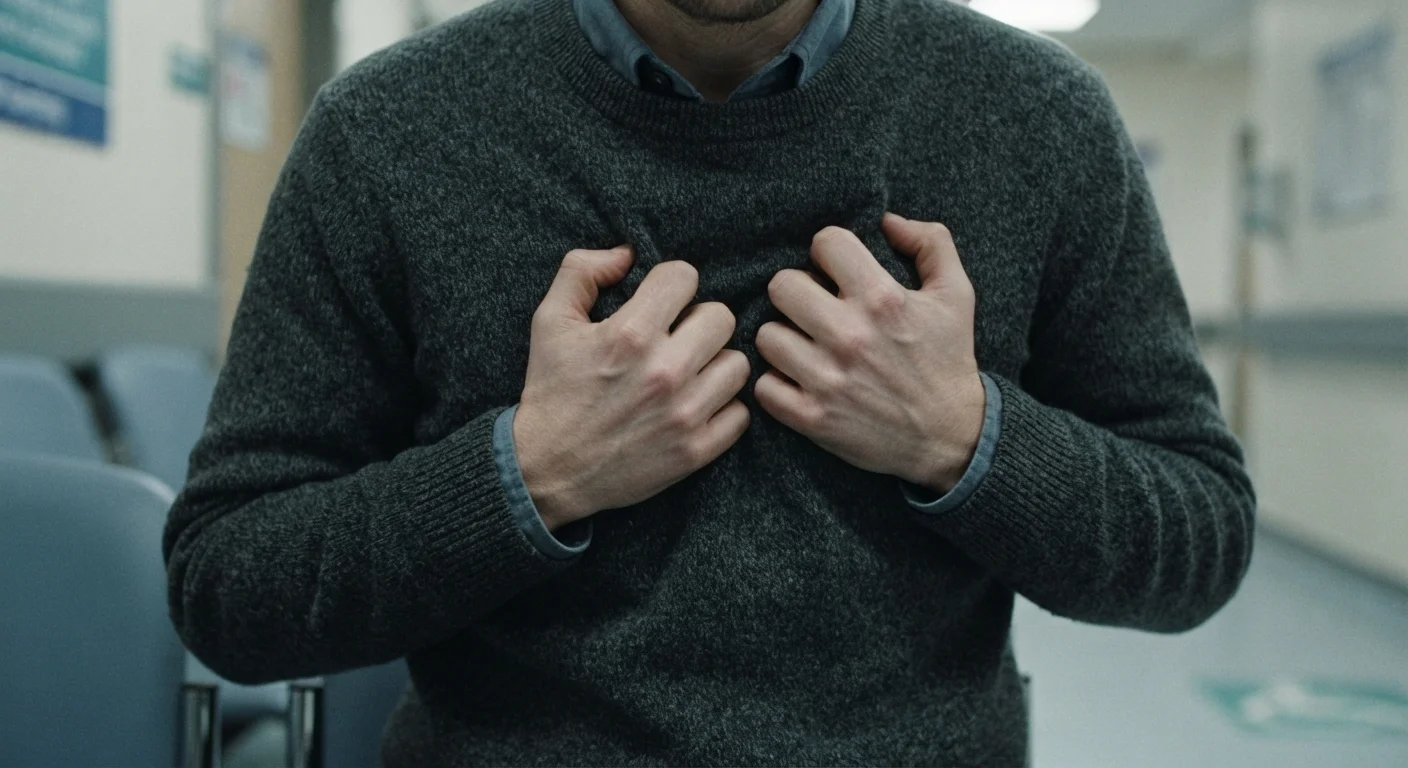
Your Body Was Built to React
When something frightens or pressures you, the body doesn't pause to evaluate the situation rationally — it acts first. This survival mechanism, often called the fight-or-flight response, evolved over millions of years to protect humans from immediate physical danger. The problem is that it fires equally for modern psychological threats: a looming deadline, a difficult conversation, financial pressure.
The moment the brain's amygdala — the region involved in threat detection — registers danger, it signals the hypothalamus to activate the sympathetic nervous system. This triggers the adrenal glands to release two key hormones: adrenaline (epinephrine) and cortisol. These chemicals travel through the bloodstream and instruct virtually every organ in the body to shift into high-alert mode.
77%
Adults reporting physical symptoms from stress
According to the American Psychological Association's Stress in America survey, a large majority of U.S. adults report experiencing physical symptoms they associate with stress.
~30 min
Time for cortisol to peak after acute stress
Research on stress physiology indicates cortisol typically reaches peak blood levels within roughly 20–30 minutes of a perceived stressor and then gradually declines.
3 systems
Key body systems activated during fight-or-flight
The cardiovascular, respiratory, and musculoskeletal systems are all directly altered by adrenaline and cortisol during a stress response.
What's Actually Happening Organ by Organ
The physical symptoms of stress aren't random — each one has a biological purpose:
- Rapid heartbeat: The heart pumps faster to deliver oxygenated blood to muscles in preparation for action.
- Shallow, quick breathing: Airways widen to take in more oxygen, which can make breathing feel labored or cause a tight chest.
- Muscle tension: Muscles — particularly in the neck, shoulders, and jaw — contract and prepare for movement. Tension headaches and shoulder pain are common by-products.
- Digestive slowdown: The body deprioritizes digestion during stress, diverting blood flow to critical organs. This explains nausea, stomach cramps, or changes in bowel habits.
- Heightened senses: Pupils dilate and mental alertness increases, which can feel like anxiety or an inability to concentrate.
Understanding the connection between mind and body can make these sensations feel less alarming. For a look at how physical movement helps regulate these same systems, see what research says about movement and mental health.
“Stress is not merely a psychological event — it is a whole-body physiological process. Understanding that biology helps people respond to their symptoms with curiosity rather than fear.”
— American Psychological Association, Leading professional organization for psychological science and practice in the United States
When Stress Becomes Chronic
Acute stress — the kind triggered by a specific, time-limited event — tends to resolve naturally. The hormones clear, the body resets, and function returns to normal. But when stressors are persistent, the HPA axis remains activated for extended periods. Cortisol levels stay elevated, and the body never fully returns to its resting state.
Over time, this chronic activation is associated with a range of health challenges, including disrupted sleep, changes in appetite, weakened immune responses, and elevated cardiovascular risk. It can also alter mood, memory, and concentration — reinforcing a cycle where the mental and physical compound each other.
Financial pressure is one of the most pervasive sources of chronic stress. The emotional toll of financial stress explores this specific pattern in depth, including practical mental wellness strategies for managing it.
Recognizing the Cycle Is a Starting Point
Knowing that physical stress symptoms are biological — not signs of weakness — can reduce the secondary anxiety they often create. Practices such as slow diaphragmatic breathing are broadly supported for activating the parasympathetic nervous system and helping the body transition out of fight-or-flight. A healthcare provider or mental health professional can recommend strategies matched to your individual circumstances.
This article provides general health information and education only, and is not a substitute for advice from a qualified healthcare professional. If you are experiencing persistent or distressing physical symptoms, please consult a doctor or licensed mental health provider.
Frequently Asked Questions
During a stress response, the body prioritizes oxygen delivery to working muscles by increasing breathing rate and heart rate. This can cause the chest to feel tight or breathing to feel labored. If chest tightness is severe or persistent, it should always be evaluated by a medical professional.
Chronic stress can suppress immune function and contribute to conditions like high blood pressure, digestive issues, and sleep disruption over time. However, stress alone does not cause illness in the way an infection does — it lowers resilience rather than directly causing disease.
The gut and brain are connected via the vagus nerve and the enteric nervous system, sometimes called the 'second brain.' Stress hormones disrupt normal digestive activity, which can cause nausea, cramping, or changes in bowel habits.
Yes. Sustaining a stress response requires significant energy. Once the perceived threat passes and hormones like adrenaline drop, fatigue is a common and normal aftermath. Think of it as the body returning to baseline after intense exertion.
Acute stress is short-lived and resolves when the stressor passes — it can even sharpen focus temporarily. Chronic stress persists over weeks or months and keeps the body in a prolonged state of arousal, which carries greater risk for health consequences.
If stress symptoms — physical or emotional — are interfering with daily life, lasting more than a few weeks, or causing you significant distress, it is worth speaking with a healthcare provider or licensed mental health professional for personalized guidance.
The content on this site is for informational purposes only and is not a substitute for professional advice. Always consult a qualified professional for guidance specific to your situation.