

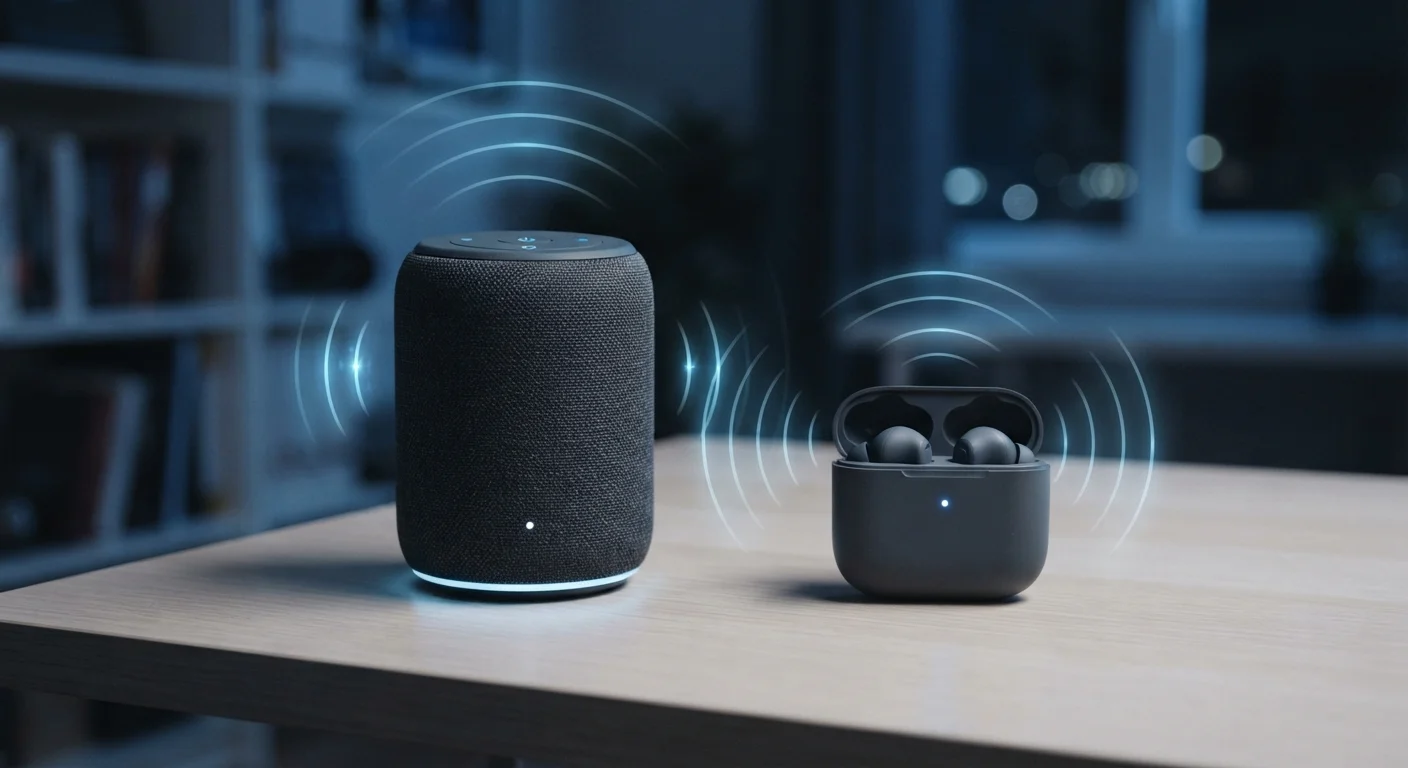
Why Bluetooth Version Numbers Exist
Bluetooth is governed by the Bluetooth Special Interest Group (SIG), a nonprofit standards body. When engineers develop significant improvements to how Bluetooth works — faster data rates, lower power draw, extended range — the SIG releases a new version of the specification. Manufacturers then design chips that implement that specification, and those chips end up in your headphones, phone, or laptop.
The version number on a product box tells you which specification the device's Bluetooth chip was built to support. It's a technical shorthand for a bundle of features, not a simple quality score. Understanding what each major version actually changed is the key to knowing whether the number on the box matters for you.
Like USB standards — which similarly use version numbers to signal capability changes — Bluetooth versions can feel confusing when the labels outpace what most users need. For a useful parallel on how version numbers work in hardware, see our explainer on USB port and speed standards.
What Changed in Each Major Generation
Rather than exhaustively cataloguing every sub-version, the most useful way to understand Bluetooth generations is by the problems each one solved.
Bluetooth 4.0 — The Low Energy Breakthrough
The 4.0 release introduced Bluetooth Low Energy (BLE), sometimes called Bluetooth Smart. This is a fundamentally different transmission mode designed for devices that send small bursts of data and need to run on a coin battery for months or years. Fitness trackers, glucose monitors, smartwatches, and smart home sensors all depend on BLE. Classic Bluetooth (used for audio) and BLE coexist under the same version umbrella.
Bluetooth 5.0 — Range and Speed
Released in 2016, Bluetooth 5.0 doubled the data transmission speed and extended theoretical range by up to four times compared to 4.2 — a significant jump for applications like whole-home audio or industrial IoT sensors. It also improved the ability to broadcast data without a direct device-to-device connection, which matters for location beacons and smart building systems.
Bluetooth 5.1, 5.2, and 5.3 — Refinements, Not Revolutions
Sub-versions after 5.0 added targeted improvements: direction-finding features for more precise indoor location tracking (5.1), a new audio architecture called LE Audio with the LC3 codec enabling better sound quality at lower bit rates (5.2), and enhanced connection reliability and power management (5.3). For everyday wireless headphones, 5.2's LE Audio support is the most meaningful of these changes — but only if both the headphones and the source device support it.
4×
Range increase in Bluetooth 5.0 vs. 4.2
According to the Bluetooth SIG specification release for Bluetooth 5.0, theoretical range quadrupled under optimal conditions compared to the previous generation.
2×
Data speed increase in Bluetooth 5.0
Bluetooth 5.0 doubled the maximum data transmission rate to 2 Mbps in high-speed mode, per the Bluetooth SIG specification.
5.2
Version introducing LE Audio standard
Bluetooth 5.2 introduced the LE Audio framework, including the LC3 codec and Auracast broadcast audio, as specified by the Bluetooth SIG.
When the Version Number Actually Matters
For the most common Bluetooth use case — streaming audio from a phone to headphones or a speaker — the version number is rarely the deciding factor. Audio quality is primarily shaped by the codec: the algorithm that encodes and decodes audio data wirelessly. Codecs like SBC, AAC, aptX, aptX HD, and LDAC operate across multiple Bluetooth versions. A device running Bluetooth 4.2 with LDAC support can deliver higher-quality audio than a Bluetooth 5.0 device limited to SBC.
Where version numbers genuinely matter:
- Range-sensitive applications — Whole-home audio setups, outdoor speakers, or industrial sensors benefit from the extended range in Bluetooth 5.0 and later.
- Battery-powered wearables — BLE (4.0+) is essential. Versions 5.x refine its efficiency further.
- Hearing aids and medical devices — LE Audio (5.2+) enables features like Auracast broadcast audio, which allows a single audio source to stream to multiple hearing aids simultaneously in public spaces.
- Smart home mesh networks — Bluetooth mesh, built on BLE, benefits from improvements across 5.x versions for reliability and scale.
Check Codec Support Before Buying Audio Gear
When evaluating wireless headphones or speakers, look for codec compatibility (AAC, aptX, LDAC) in the product specs rather than focusing solely on the Bluetooth version number. Both your source device and the audio device need to support the same codec to benefit from it. A shared codec affects sound quality directly; the Bluetooth version number usually doesn't.
Wireless connectivity involves a number of handshake and negotiation steps that are easy to overlook — much like what happens when your device joins a Wi-Fi network. Our walkthrough on how Wi-Fi connections are established offers useful background on how wireless standards work under the hood.
A Practical Way to Think About It
A simple framework: ask what the device is actually doing wirelessly, then check whether the specific improvements in a given Bluetooth version address that task.
“The version of Bluetooth matters most when you're trying to take advantage of a specific new capability — otherwise, a stable connection and good codec support will serve most users better than chasing the latest number.”
— Bluetooth Special Interest Group, Standards body governing the Bluetooth specification
For wireless earbuds and speakers, prioritize codec support and connection stability over version number. For wearables, confirm BLE support. For anything requiring long range or serving many simultaneous receivers — like an airport departure board broadcasting audio to nearby hearing aids — look for Bluetooth 5.2 or later with LE Audio.
Bluetooth version numbers are real signals, not marketing noise. But they're signals that only become meaningful once you know which channel you're tuned to.
Frequently Asked Questions
Not inherently. Audio quality depends on the codec being used (such as AAC or aptX), not the Bluetooth version number. Bluetooth 5.0 can improve connection stability and range, which may reduce dropouts, but it doesn't directly upgrade audio fidelity.
Yes. Bluetooth is backward-compatible across generations. The two devices will establish a connection using the capabilities of the older version, so you won't gain any Bluetooth 5.x benefits in that pairing.
Bluetooth Low Energy (BLE) is a mode introduced in Bluetooth 4.0 designed for devices that send small amounts of data and need long battery life — think fitness bands, smartwatches, and sensors. If you use any wearable or smart home sensor, it almost certainly uses BLE.
Bluetooth 5.0 doubled the theoretical maximum data rate and quadrupled the range compared to 4.2 under ideal conditions. Real-world performance depends heavily on environment, device hardware, and interference.
Not necessarily. Bluetooth 4.2 and later work well for the vast majority of consumer audio and peripheral devices. If the specific improvements in a newer version — like extended range or improved mesh networking — aren't relevant to your use case, the version number alone shouldn't drive your decision.
The content on this site is for informational purposes only and is not a substitute for professional advice. Always consult a qualified professional for guidance specific to your situation.