

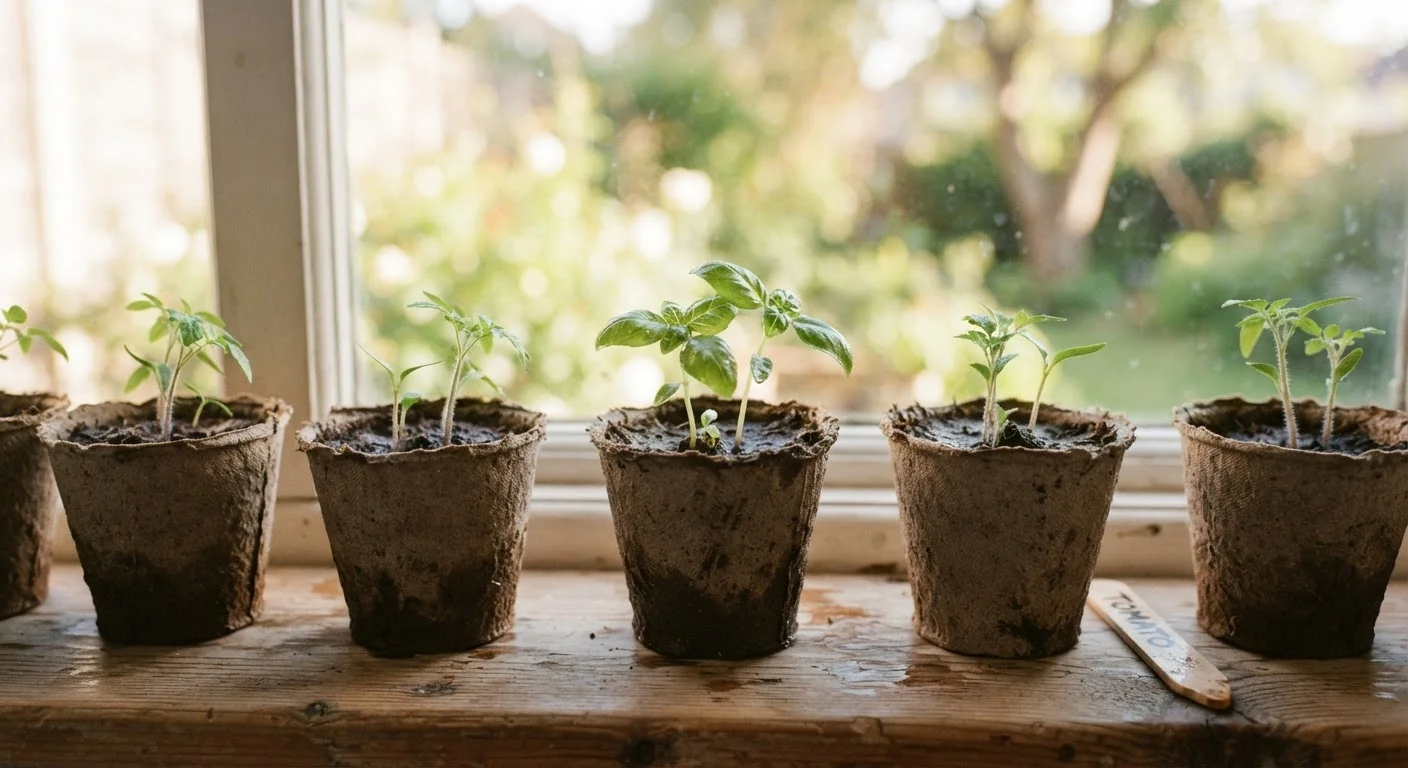
Why Seedling Failure Is So Common — and So Fixable
Starting plants from seed feels like one of gardening's most rewarding acts — until a whole tray of promising seedlings collapses overnight or shrivels the moment they hit outdoor soil. For many home gardeners, this happens season after season without a clear explanation.
The frustrating truth is that seedling death almost always has an identifiable cause. Understanding what goes wrong — and when — can shift your results dramatically. Whether you're a first-time grower or someone who's lost more trays than you'd like to admit, the mistakes below are where to start looking. See our ground-up guide for first-time gardeners if you're just getting started with your overall setup.
Overwatering to the point of causing damping off.
Why it happens: New gardeners often equate attentive care with frequent watering, assuming more moisture means faster, healthier growth.
Starting seeds in regular potting soil or garden soil instead of a sterile seed-starting mix.
Why it happens: Potting soil and garden soil are what gardeners already have on hand, so they seem like a logical choice.
Providing insufficient light, which causes seedlings to become leggy and structurally weak.
Why it happens: A sunny windowsill looks bright to us, but light intensity drops sharply just a few inches from the glass, especially in winter months.
Skipping hardening off — the gradual acclimatization of seedlings to outdoor conditions.
Why it happens: After weeks of nurturing seedlings indoors, gardeners are eager to get them outside, and the step feels unnecessary when the weather looks perfect.
Sowing seeds too early, producing overgrown seedlings that struggle at transplant time.
Why it happens: The excitement of spring leads many gardeners to start seeds weeks ahead of their actual last frost date.
Transplanting without watering seedlings in thoroughly at planting time.
Why it happens: It's easy to assume that outdoor rain or subsequent watering will be sufficient to settle plants into their new home.
The Conditions That Set Seedlings Up to Succeed
Once you've corrected the core mistakes, a few foundational habits make the difference between surviving seedlings and thriving ones. Light quality is the single biggest variable indoors: a bright south-facing window is rarely sufficient without supplemental grow lighting, especially in late winter when days are short.
14–16 hrs
Daily light needed by most seedlings indoors
University extension programs consistently recommend supplemental grow lighting for the majority of seed-starting setups in home environments.
7–10 days
Minimum hardening-off period before transplanting
Most cooperative extension guidelines recommend at least one week of gradual outdoor exposure before seedlings move to the garden permanently.
Soil composition also matters more than most beginners realize. Seed-starting mix is formulated to be sterile, lightweight, and fast-draining — properties that regular garden soil or potting mix simply don't offer in the same way. For a deeper look at what your growing medium should actually provide, see Soil Health Explained.
Finally, watering technique deserves careful attention throughout the seedling stage. Bottom-watering — placing trays in a shallow dish of water so seedlings absorb moisture from below — keeps the soil surface drier and reduces fungal pressure significantly. For more on common irrigation errors that harm both seedlings and mature plants, visit our article on garden watering myths.
Don't Rush the Transplant Window
Warm, calm days can make it tempting to move seedlings outside ahead of schedule. But a single unexpected frost or strong wind event can undo weeks of careful growing. Always check a 10-day local forecast before transplanting warm-season crops, and keep frost cloth on hand through late spring.
With the right environment in place from germination through hardening off, your seedlings will arrive in the garden with strong stems, established roots, and a genuine chance to flourish.
The content on this site is for informational purposes only and is not a substitute for professional advice. Always consult a qualified professional for guidance specific to your situation.