

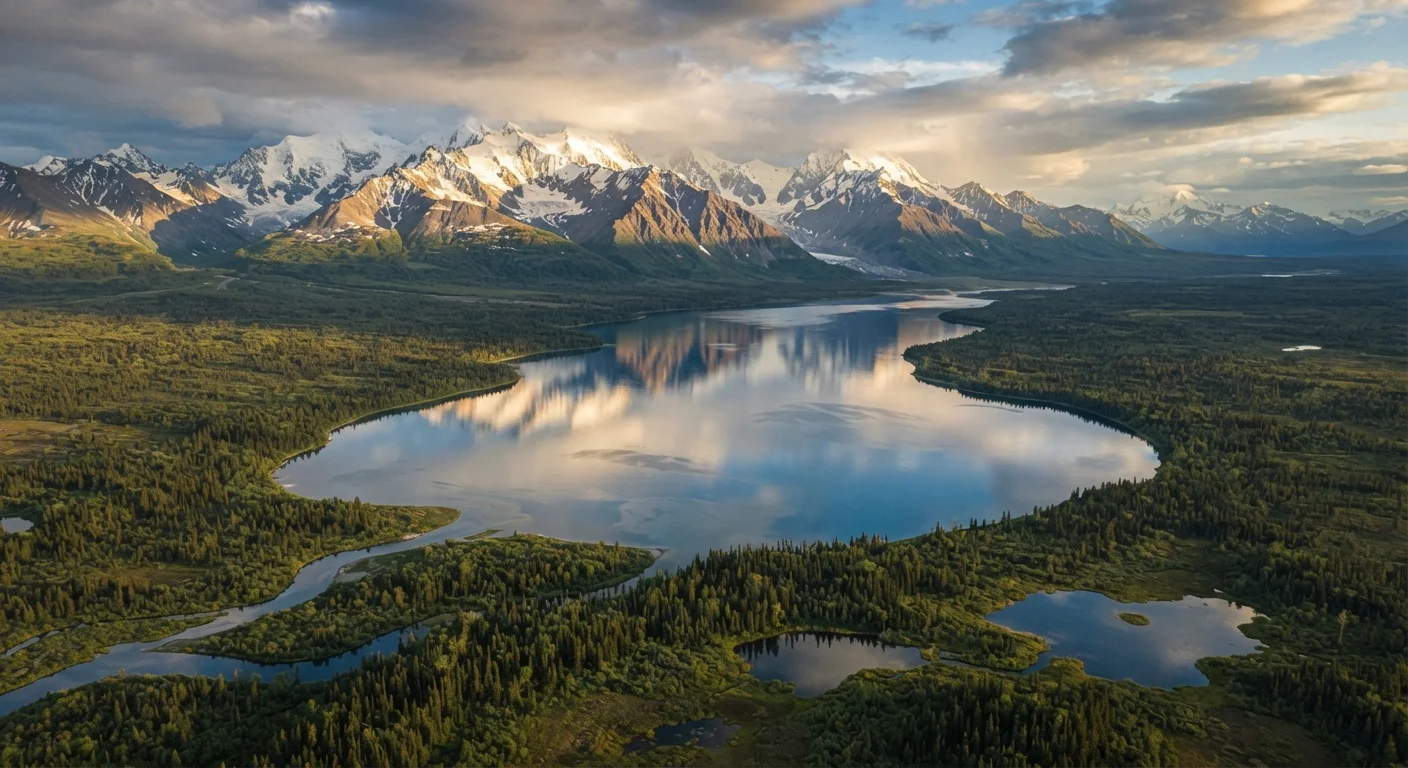
Why Alaska Gets Written Off — And Why That's a Mistake
Alaska occupies a singular place in the American imagination — vast, wild, extreme. That reputation draws some travellers in and pushes far more away. Misconceptions about perpetual darkness, prohibitive cost, and logistical impossibility cause many people to dismiss Alaska before they've seriously considered it. The result is that one of the country's most dramatically beautiful destinations gets crossed off itineraries based on assumptions rather than facts.
This article addresses the most common myths head-on. The goal isn't to oversell Alaska or gloss over its genuine challenges — remote regions can be demanding, and costs in some areas are real. But the gap between the myths and the actual experience available to an ordinary, reasonably prepared traveller is wide enough to warrant a closer look.
Myth
Alaska is always dark and bitterly cold — it's not worth visiting.
Fact
Alaska's light and temperature vary dramatically by season and region. Summer visitors experience near-constant daylight, not darkness.
The image of Alaska as a perpetually dark, frozen wasteland is one of the most persistent travel misconceptions. In reality, Alaska experiences dramatic seasonal swings in daylight. During summer months, much of the state enjoys extended daylight — Fairbanks, for example, sees roughly 22 hours of light around the summer solstice. Coastal communities like Juneau or Ketchikan have a temperate maritime climate, with summer temperatures often reaching the mid-60s°F (around 18°C). Winter does bring shorter days and genuine cold in interior regions, but that season also offers the northern lights and world-class snow sports — experiences many travellers actively seek out.
Myth
Alaska is unaffordably expensive for a typical American traveller.
Fact
Alaska travel costs vary widely. Careful planning, shoulder-season timing, and choosing road-accessible destinations can make a trip genuinely manageable.
Alaska does carry real costs — fuel, ferry travel, and guided activities can add up. But the conclusion that it's out of reach for most travellers oversimplifies the picture considerably. The road-accessible Kenai Peninsula, for instance, offers campgrounds, public hiking trails, and wildlife viewing without premium lodge pricing. Visiting during the shoulder seasons of late May or early September, as discussed in our look at off-season travel, can reduce costs while still delivering remarkable scenery. Travellers who self-drive the Alaska Highway or use the Alaska Marine Highway ferry system often find the experience far more affordable than cruise-based assumptions suggest.
Myth
You need serious wilderness survival skills to experience Alaska properly.
Fact
Most of Alaska's celebrated destinations are accessible to travellers with ordinary outdoor experience and reasonable preparation.
Remote backcountry Alaska is absolutely real — and it genuinely does require advanced preparation. But that is not the only Alaska available to visitors. Denali National Park's entrance area and visitor center are easily reached by road, and shuttle buses bring travellers deep into the park without any technical skill required. Juneau is accessible by cruise ship and commercial flight, with accessible glacier walks available through guided services. Towns like Talkeetna, Homer, and Seward cater to visitors who want extraordinary scenery with standard tourism infrastructure. Travellers who verify entry requirements and logistics ahead of time — as explored in this piece on travel entry mistakes — will find Alaska far more approachable than its reputation suggests.
Myth
Seeing wildlife in Alaska requires venturing deep into remote wilderness.
Fact
Many of Alaska's most iconic wildlife encounters occur in accessible locations near roads, ports, and visitor centers.
Bears, moose, eagles, and marine mammals are frequently spotted from established roads, boardwalks, and town perimeters throughout Alaska. The Kenai River is one of North America's most accessible salmon-viewing locations, drawing bears that visitors can observe safely from designated areas. Humpback whales are commonly seen from Juneau's waterfront. The Sterling Highway on the Kenai Peninsula offers moose sightings that require nothing more than a slow drive. Responsible wildlife observation means keeping safe distances and following posted guidelines — not abandoning the idea of seeing Alaska's animals altogether.
Myth
Alaska is only worth visiting in summer.
Fact
Each season in Alaska offers genuinely distinct experiences, and non-summer visits can be compelling for the right traveller.
Summer is Alaska's peak season for good reason — long days, accessible trails, and active wildlife. But reducing Alaska to a single-season destination misses a great deal. Winter offers the northern lights (aurora borealis), dog mushing events, and ice fishing in interior communities. Spring brings the return of migratory birds, dramatic snowmelt, and far smaller crowds. Fall brings vivid tundra colour changes across the interior. Each season has genuine trade-offs in terms of weather, services, and accessibility — an honest assessment that applies to most destinations, as covered in the case for and against off-season travel.
Planning an Alaska Trip With Clear Eyes
Approaching Alaska honestly means acknowledging both what's accessible and what genuinely requires more planning. Travellers who do their research — on ferry schedules, road conditions, national park reservation systems, and seasonal service availability — consistently report that the state rewards preparation.
Verify Conditions and Reservations Before You Go
Alaska's infrastructure varies enormously by region and season. Some roads, ferry routes, and park facilities operate on limited seasonal schedules. Always confirm road accessibility, campground availability, and ferry timetables through official Alaska state and National Park Service sources before finalising any itinerary. Conditions can change quickly, particularly in spring and fall.
For those who find the logistics intimidating, it helps to start with a single anchored region rather than trying to cover the whole state. The Kenai Peninsula, accessible by road from Anchorage, concentrates wildlife, glaciers, and fishing in a manageable area. Southeast Alaska — Juneau, Sitka, Ketchikan — is reachable by air or the Alaska Marine Highway ferry system and offers rainforest, fjords, and cultural history without requiring any wilderness expertise.
Alaska travel also intersects usefully with broader trip-planning habits. Understanding what documentation and entry logistics matter — covered in our guide on entry requirement mistakes — applies to any serious trip, including domestic ones where park permits, ferry reservations, and seasonal access windows function as their own form of gatekeeping.
The myths surrounding Alaska are understandable — they're rooted in real features of the place, just badly exaggerated. Correcting them doesn't diminish Alaska's wildness. It simply makes it visible to the travellers it's actually suited for.
The content on this site is for informational purposes only and is not a substitute for professional advice. Always consult a qualified professional for guidance specific to your situation.