

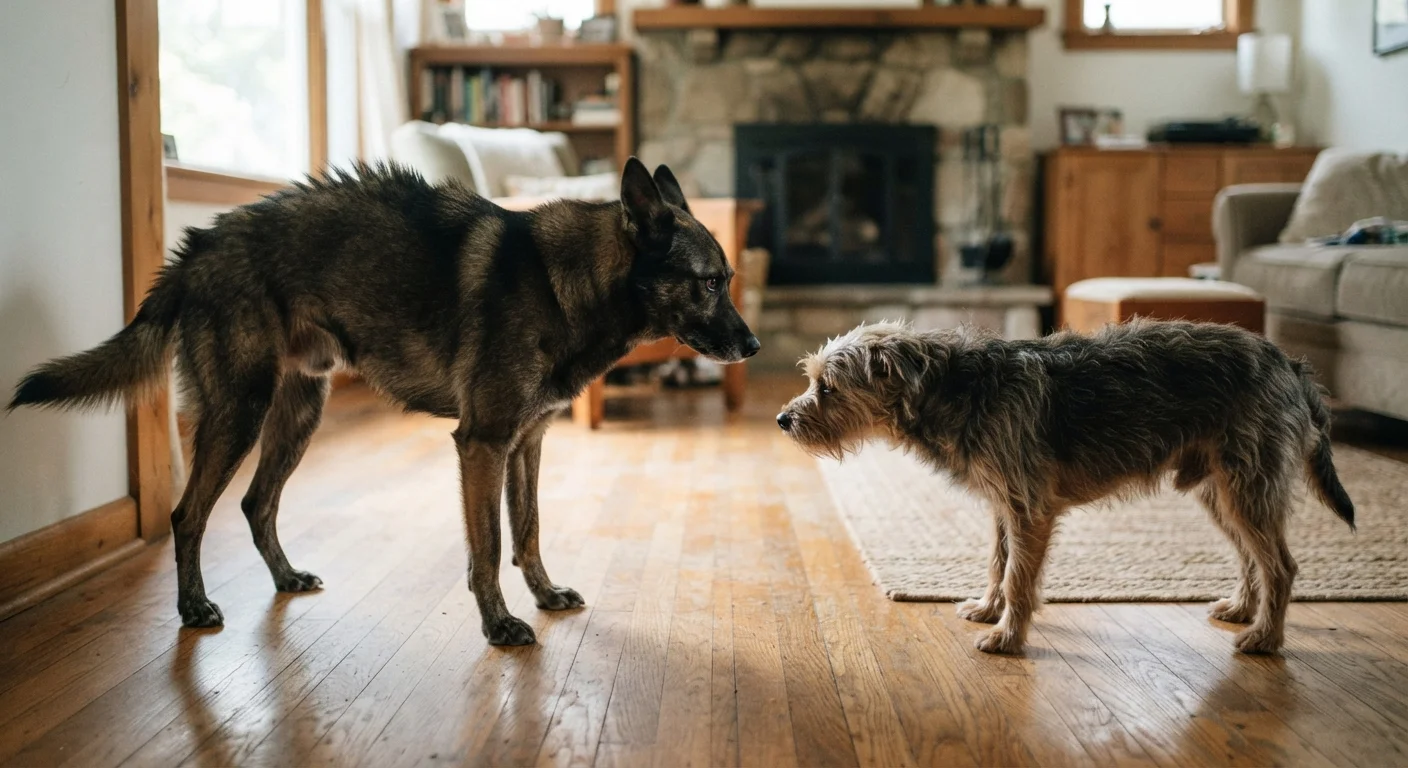
Why Misread Signals Are So Common in Multi-Pet Homes
Living with more than one animal means managing a constant stream of non-verbal communication — between your pets, and between your pets and you. The problem is that animal body language is nuanced, species-specific, and often runs counter to human intuition. What looks like play may be predatory rehearsal. What looks like calm may be frozen stress. These gaps in interpretation are where conflict quietly builds.
Owners frequently evaluate inter-pet interactions through a single behavioral data point — a wag, a crouch, a vocalization — rather than reading the full context. Understanding the full range of signals pets use is a foundational skill that changes how you manage shared spaces and introductions.
Cross-species households add another layer of complexity. Dogs and cats, for instance, evolved distinct communication systems. A direct stare is a social greeting in some dog interactions; in cats, it is most often a threat. These translation errors are not anyone's fault — they are structural — but they do require active education to overcome. See our guide on cat body language for a deeper breakdown of feline signals.
The Most Misread Signals — and What They Actually Mean
The mistakes below reflect some of the most common misinterpretations veterinary behaviorists and certified trainers encounter in multi-pet households. Each one has a pattern: the owner sees what they expect to see rather than what the animal is actually communicating.
Treating play-chasing and predatory chasing as the same behavior.
Why it happens: Both involve one animal running and another pursuing, so owners assume the interaction is playful. The crucial difference lies in the body language of both animals — relaxed bouncing versus a fixed, low, stalking posture.
Interpreting a cat's slow approach toward a dog as social interest.
Why it happens: Owners expect a cautious approach to mean curiosity and openness. But cats approaching in a low crouch with dilated pupils and a lashing tail are signaling agitation, not friendliness.
Assuming a submissive roll means one pet is comfortable with the other.
Why it happens: Belly exposure is commonly associated with relaxation and trust in dogs, so owners interpret it as a sign the interaction is going well.
Dismissing yawning, lip-licking, and head-turning as irrelevant during inter-pet interactions.
Why it happens: These signals are small and subtle, easily overlooked when owners are focused on more dramatic behaviors like growling or snapping.
Punishing growling as a problem behavior rather than treating it as communication.
Why it happens: Growling feels alarming and antisocial, and many owners instinctively correct it to prevent escalation. This reasoning seems logical but backfires.
A consistent theme across all of these errors is the tendency to focus on one animal's behavior while missing the response of the other. Conflict is almost always a two-animal dynamic. Checking in on subtle stress signals in both pets simultaneously gives you a much more accurate read of the room.
Stiff Tails Are Not Always Happy Tails
A wagging tail does not automatically signal friendliness. A stiff, high tail wagging in tight, rapid arcs often indicates arousal or tension, not invitation. Misreading this signal as friendly enthusiasm and allowing an approach can push an already-stressed animal past its threshold.
Intervention Timing: The Hidden Variable
Even owners who correctly identify a signal often struggle with when and how to intervene. Intervening too early — during legitimate play or mutual investigation — can interrupt positive social bonding and teach both animals that proximity leads to disruption. Intervening too late allows stress to compound until one or both animals reach a behavioral threshold they cannot self-regulate out of.
When Misread Signals Become Physical
If two pets in your household have already engaged in a fight — even a brief one — do not attempt to manually separate them without appropriate protection, as redirected bites can cause serious injury. Consult a certified animal behaviorist or your veterinarian promptly. A single physical altercation changes the relationship dynamic between pets and requires professional assessment to manage safely.
The goal is not to hover and control every interaction, but to stay calibrated. Distinguishing fear from aggression is one of the most practical skills for getting this timing right — these two states look similar but call for completely different responses. If you have concerns about a pet's recurring behavioral patterns, understanding the root cause of the behavior is the first step toward a lasting solution. And if you want to challenge some of the assumptions you already hold about how animals communicate, reviewing common myths about animal behavior is a worthwhile place to start.
~65%
Multi-pet households in the U.S.
According to the American Pet Products Association, a significant majority of U.S. pet-owning households have more than one animal, making inter-pet dynamics a widespread concern.
4 seconds
Average escalation time from tension to contact
Animal behavior researchers note that inter-pet conflicts can escalate from early stress signals to physical contact in under five seconds, underlining the importance of early cue recognition.
The content on this site is for informational purposes only and is not a substitute for professional advice. Always consult a qualified professional for guidance specific to your situation.