

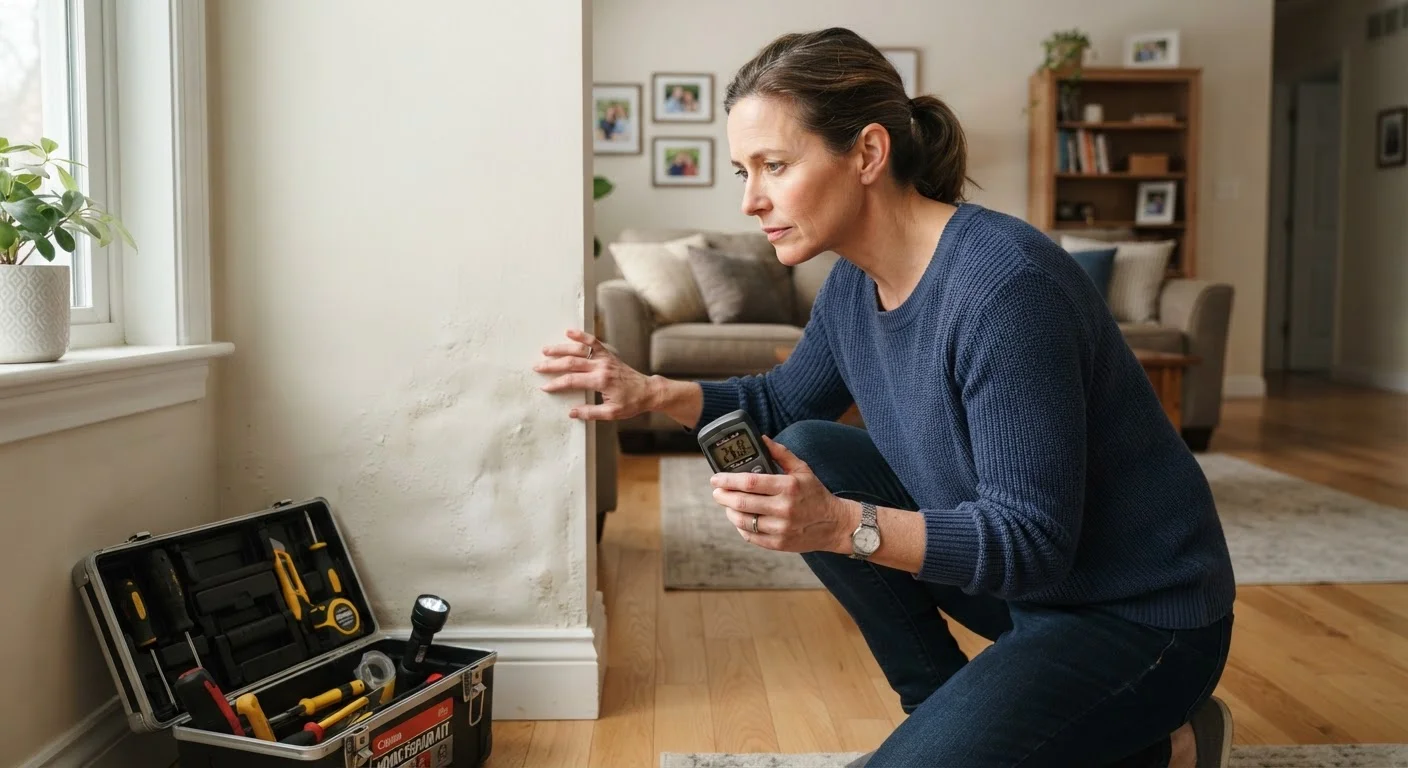
Why Home Maintenance Myths Persist
Home maintenance advice travels fast — passed down by well-meaning relatives, shared on neighborhood forums, and repeated often enough that it starts to feel like fact. The problem is that some of the most widely repeated tips are either outdated, oversimplified, or just plain wrong. Acting on them can turn a minor issue into a costly repair.
This article takes on some of the most stubborn myths, explains where they came from, and gives you the accurate picture so you can make smarter decisions about your home. For a broader view of what tasks to prioritize throughout the year, our seasonal home maintenance guide is a useful companion.
Myth
Painting over rust will seal it in and stop further corrosion.
Fact
Paint applied over untreated rust traps moisture against the metal, actually speeding up corrosion underneath the coating.
Rust is iron oxide — a chemically active compound that continues to react even when covered. Paint does not bond well to rusted surfaces, so it quickly chips or bubbles, allowing moisture back in. The correct approach is to remove all visible rust mechanically (wire brush, sanding, or a rust converter product), then apply a metal primer before painting. On structural metal components — such as railings, lintels, or exterior fasteners — skip this step and you may face more than cosmetic damage.
Myth
Bleach is the best solution for any mold problem in your home.
Fact
Bleach effectively kills mold on non-porous surfaces like tile, but it cannot penetrate porous materials such as drywall or wood where mold roots grow.
When you apply bleach to a moldy piece of drywall, the water carrier soaks into the material while the active ingredient stays on the surface. The mold's root structures (hyphae) survive and regrow. On hard, non-porous surfaces — ceramic tile, glass, sealed concrete — bleach is a reasonable disinfectant. But on porous materials, affected sections often need to be removed and replaced. Always identify the moisture source first; without fixing that, any surface treatment is temporary. If mold covers a large area or involves HVAC systems, consult a certified remediation professional.
Myth
A small roof leak isn't urgent — it'll dry out on its own.
Fact
Roof leaks never self-resolve; even minor ones allow water to infiltrate insulation and framing, leading to rot, mold, and structural damage over time.
Water following a leak path doesn't stay where it enters. It travels along rafters, pools in insulation, and can reach wall cavities far from the original breach before any visible damage appears indoors. By the time you notice a water stain on your ceiling, the problem above it may already be significant. Early repair — even a temporary patch pending professional assessment — is nearly always far less expensive than addressing the downstream consequences. Our article on flat vs. pitched roof maintenance covers how leak risks differ depending on your roof type.
Myth
The more airtight your home, the more energy-efficient and healthier it will be.
Fact
Extreme airtightness without planned ventilation traps pollutants, excess humidity, and combustion gases, creating indoor air quality problems.
Sealing drafts and improving insulation genuinely does reduce energy use — up to a point. But homes also need controlled air exchange to remove cooking fumes, volatile organic compounds (VOCs) from materials and cleaning products, carbon dioxide, and excess moisture. Modern building science captures this in the principle: build tight, ventilate right. If you're aggressively air-sealing your home, ensure you also have adequate mechanical ventilation — such as an energy recovery ventilator (ERV) or heat recovery ventilator (HRV) — particularly in climates with long heating or cooling seasons. Gutters also play an indirect role in moisture management around your home's envelope; see why gutters matter more than you think for more on that.
Myth
Two coats of paint always means a flawless, even finish.
Fact
The number of coats matters far less than proper surface preparation, priming, and application technique.
Patchiness, lap marks, and uneven sheen after two coats are almost always traceable to skipped primer, inadequate surface cleaning, or mismatched paint sheens — not the number of coats applied. Paint applied to a dirty, glossy, or inconsistently absorbent surface will look uneven regardless of how many layers go on top. Our guide on why freshly painted walls look patchy walks through the specific preparation steps that actually determine a smooth result.
What the Evidence Actually Says
Correcting these myths isn't just about being technically right — it's about protecting your home's structure, your family's health, and your wallet. Many homeowners discover the true cost of bad advice only after damage has already set in.
~40%
Of US homes with mold issues involve porous building materials
According to EPA guidance on mold remediation, porous materials like drywall and carpet often require removal rather than surface treatment when mold is present.
10x
Potential cost multiplier when small leaks are left unrepaired
Industry restoration estimates consistently show that water damage caught early costs a fraction of repairs needed after prolonged infiltration into framing and insulation.
If you're managing repairs on a limited budget, understanding which problems genuinely cannot wait is essential. Our guide on prioritizing home maintenance on a budget can help you decide where to act first.
Electrical, Gas, and Structural Work: Always Consult a Pro
No maintenance myth is more dangerous than the belief that all home repairs are suitable DIY projects. Work involving electrical panels, gas lines, load-bearing structures, or roof systems typically requires licensed contractors and, in many jurisdictions, permits and inspections. Skipping these steps can void homeowners insurance, create safety hazards, and complicate future sales. Always verify local code requirements before beginning any significant repair.
New homeowners are especially vulnerable to maintenance myths — often inheriting bad habits along with the house. Our roundup of maintenance tasks new homeowners overlook highlights the quiet problems most likely to catch first-timers off guard. And if you've been caught out by renovation advice that didn't deliver, you're not alone — see our piece on home renovation myths that cost homeowners time and money for more myth-busting in that space.
The content on this site is for informational purposes only and is not a substitute for professional advice. Always consult a qualified professional for guidance specific to your situation.