

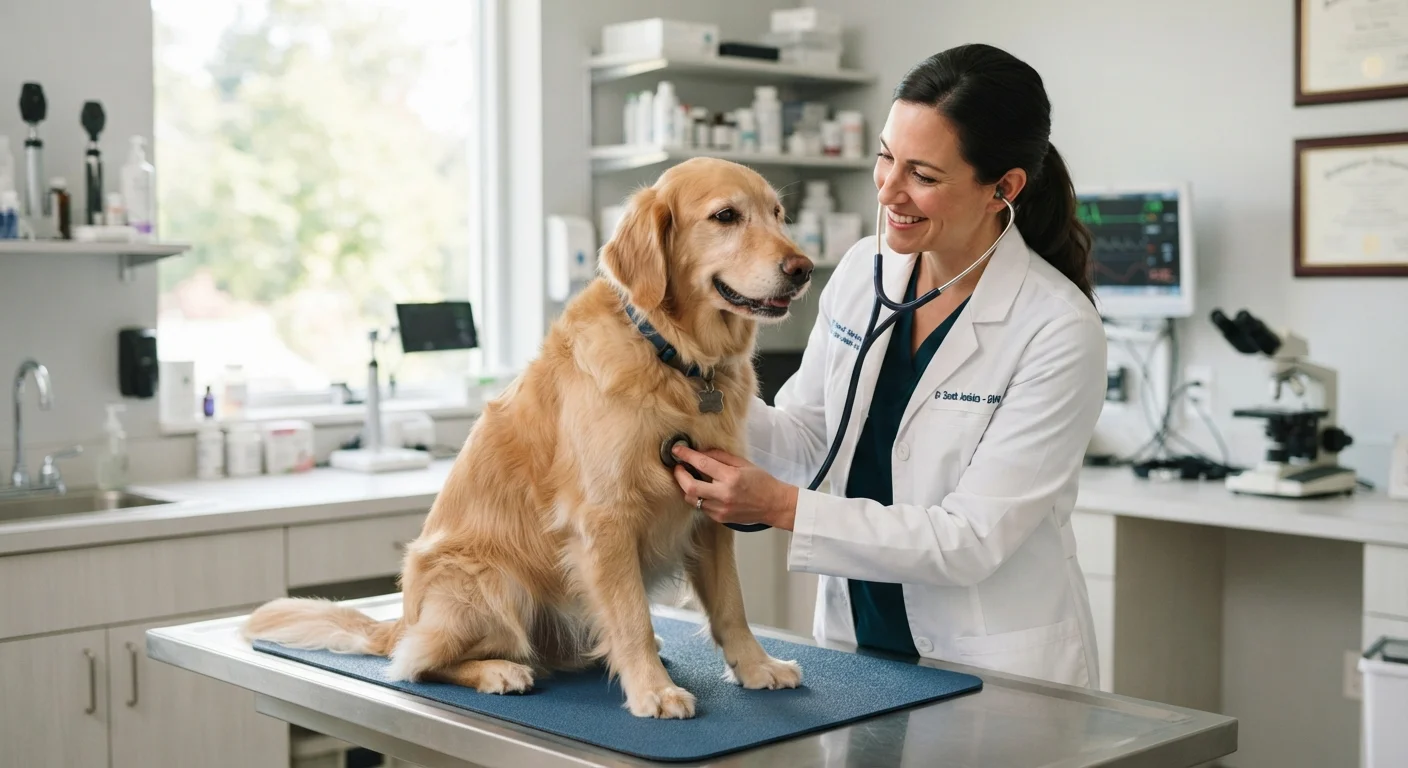
Why Life-Stage Preventive Care Matters
Preventive veterinary care is not a single event — it is a structured, evolving commitment that adapts as a pet moves through puppyhood or kittenhood, adulthood, and senior years. Each stage brings distinct physiological changes, disease risks, and behavioral patterns that inform what screenings, vaccines, and interventions are most appropriate. Proactive care catches problems early, when treatment is generally more effective and less costly than managing advanced disease.
Understanding what to expect at each stage helps owners build a relationship with a veterinarian rather than only visiting during emergencies. For a broader view of how daily habits reinforce clinical care, see everyday habits that support long-term pet health.
Young Pets: Foundations in the First Year
The juvenile stage — roughly the first 12 to 18 months for dogs and cats — is the most visit-intensive period of a pet's life. Veterinarians typically schedule a series of wellness appointments every three to four weeks from about six to eight weeks of age until 16 weeks, then annually after that baseline is complete.
Core priorities during this stage include:
- Core vaccinations: For dogs, these include distemper, parvovirus, adenovirus, and rabies. For cats, the FVRCP combination vaccine and rabies are standard. Your veterinarian will follow established guidelines from bodies such as the American Animal Hospital Association (AAHA) and the American Association of Feline Practitioners (AAFP).
- Parasite prevention and testing: Fecal exams, heartworm testing (in dogs), and initiation of preventive medications are established during this phase.
- Spay or neuter consultation: Timing varies by species, breed, and size. Discuss the evidence-based considerations with your veterinarian rather than relying on a single universal recommendation.
- Dental baseline: Even young pets benefit from a first oral exam to establish normal baseline and introduce home brushing habits early.
Behavioral development is closely tied to this life phase. Animal behavior shifts predictably across life stages, and early socialization guidance is often part of wellness visit conversations.
Core vaccine
A vaccine recommended for all pets of a given species regardless of lifestyle, because the disease is severe, widespread, or transmissible to humans. Examples include rabies and distemper vaccines.
Non-core vaccine
A vaccine recommended based on an individual pet's risk factors, geographic location, and lifestyle rather than universally. Your veterinarian assesses which non-core vaccines are appropriate.
Body condition score (BCS)
A standardized numerical scale veterinarians use to assess a pet's weight relative to its frame, ranging from underweight to obese. It guides nutritional recommendations.
Periodontal disease
Infection and inflammation of the structures supporting the teeth, including gums and bone. It is one of the most prevalent health conditions in adult companion animals and can have systemic effects.
Cognitive dysfunction syndrome (CDS)
A neurological condition in aging dogs and cats characterized by behavioral changes such as disorientation, altered sleep cycles, and reduced social interaction, comparable in some ways to dementia.
Fecal exam
A laboratory test of a stool sample used to detect intestinal parasites such as roundworms, hookworms, and Giardia. Recommended at least annually and more frequently in young or at-risk pets.
Adult Pets: Maintaining Baseline Health
Adult pets — generally ages one through seven for most dogs and cats, though this varies by species and size — typically require annual wellness visits. The goal shifts from building immunity and monitoring development to maintaining established health and catching emerging issues early.
What annual exams typically cover:
- Physical examination: Weight, body condition score, coat quality, lymph nodes, eyes, ears, and organ palpation provide a comprehensive health snapshot.
- Booster vaccinations: Some vaccines require annual boosters; others are effective for three years. Your veterinarian will tailor the schedule to local disease prevalence and your pet's lifestyle.
- Dental evaluation: Periodontal disease is among the most common conditions in adult pets. Professional cleanings under anesthesia, combined with home care, help prevent tooth loss and systemic complications linked to oral bacteria.
- Bloodwork baselines: Many veterinarians recommend periodic complete blood count and chemistry panels during adulthood to establish reference ranges unique to that individual pet.
- Parasite prevention continuity: Year-round heartworm, flea, and tick prevention is standard for most geographic regions in the US.
Lifestyle Affects Vaccine and Parasite Needs
An indoor-only cat and a dog that frequents dog parks or boarding facilities carry very different disease-exposure profiles. Veterinarians tailor non-core vaccine schedules and preventive protocols to reflect each pet's actual risk factors. Always discuss your pet's specific environment and activities during wellness visits so recommendations can be appropriately personalized.
Planning for the financial side of consistent care is part of responsible ownership. Comparing pet insurance to a dedicated savings fund can help owners prepare for both routine and unexpected costs.
Senior Pets: Screening and Monitoring
Most veterinarians consider dogs and cats to enter senior status around age seven, though large and giant dog breeds often show aging changes earlier. Senior care typically moves to biannual wellness visits, allowing veterinarians to detect age-related decline more promptly.
Priority screenings in senior pets:
- Comprehensive bloodwork: Kidney function, liver enzymes, thyroid levels (especially critical in cats), and blood glucose become more important to monitor regularly.
- Blood pressure measurement: Hypertension is common in older cats, particularly those with kidney disease or hyperthyroidism. Blood pressure checks should become routine.
- Joint and mobility assessment: Osteoarthritis is underdiagnosed in both dogs and cats. Pain assessment tools developed for veterinary use help identify discomfort that owners may miss.
- Cognitive health observation: Cognitive dysfunction syndrome, with signs that parallel dementia in humans, is recognized in senior dogs and cats. Owners should report changes in sleep patterns, disorientation, or altered interactions.
- Nutritional reassessment: Senior pets often have different caloric and nutrient requirements. Dietary transitions should be guided by veterinary input.
For a deeper look at the behavioral changes that parallel these physical shifts, this guide to animal behavior across the lifespan offers useful context. Responsible planning also means thinking ahead — including planning for your pet's future if something happens to you.
~80%
Dogs showing periodontal disease signs by age 3
According to the American Veterinary Dental College, the majority of dogs exhibit early signs of periodontal disease by their third birthday.
2×/year
Recommended senior pet wellness visit frequency
AAHA Senior Care Guidelines advise biannual examinations for senior pets to catch age-related changes more promptly than annual visits allow.
1 in 3
Cats estimated to develop hyperthyroidism or kidney disease in later life
Epidemiological studies in veterinary medicine suggest chronic kidney disease and hyperthyroidism are among the most prevalent conditions in senior cats.
This article is for general informational and educational purposes only. It does not constitute veterinary advice. Always consult a licensed veterinarian for guidance specific to your pet's health, species, breed, and individual circumstances.
The content on this site is for informational purposes only and is not a substitute for professional advice. Always consult a qualified professional for guidance specific to your situation.