

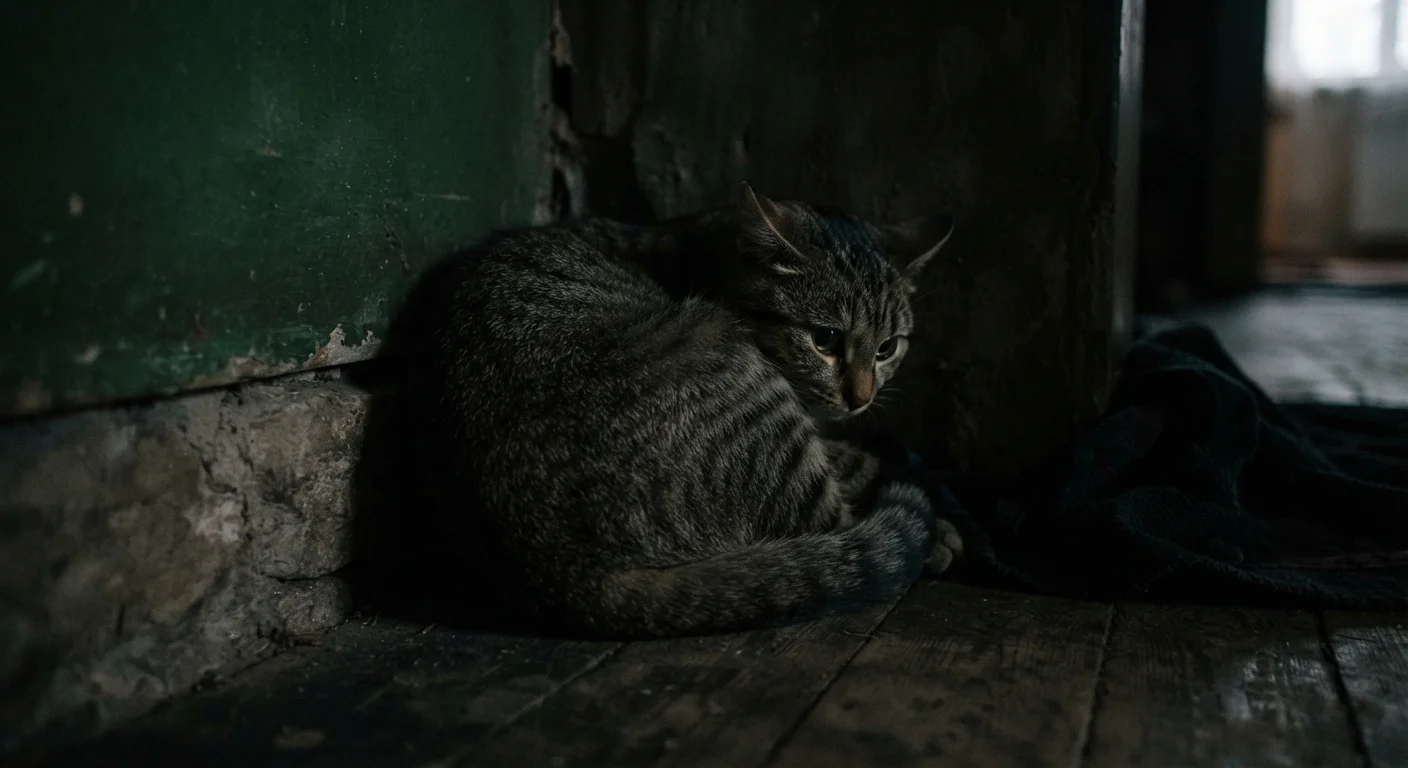
Why Pet Stress Is So Easy to Miss
Animals do not signal distress the way humans do. Rather than vocalizing anxiety or seeking reassurance, most household pets respond to stress through subtle behavioral shifts that blend easily into everyday life. A cat that grooms a little more, a dog that seems slightly less interested in play — these changes are easy to normalize, especially when they emerge gradually.
Stress in pets can stem from many sources: changes in household routine, the presence of new people or animals, construction noise, schedule shifts, or even the emotional state of their owners. Understanding the behavioral vocabulary pets use to communicate discomfort is a foundational part of animal behavior literacy. The list below covers the signs most often overlooked — and what each one actually means.
Stress vs. Illness: The Overlap Is Real
Many signs of stress in pets overlap significantly with symptoms of physical illness. Withdrawal, appetite loss, and changes in elimination can all result from medical conditions rather than psychological distress. For this reason, any new or escalating behavioral change should be evaluated by a veterinarian before attributing it solely to stress. Treating assumed anxiety while an underlying condition goes undiagnosed can delay necessary care and cause harm.
Six Overlooked Signs Your Pet May Be Stressed
Excessive or Compulsive Grooming
Cats and dogs groom themselves regularly, but when grooming becomes compulsive — resulting in bald patches, raw skin, or repetitive licking of a single spot — it often signals psychological distress. This behavior, sometimes called psychogenic alopecia in cats, mirrors the way anxiety manifests physically in many animals. Dogs may focus obsessively on their paws or flanks, while cats may over-groom the belly or inner legs.
Owners frequently attribute this to allergies or skin conditions, which can indeed be contributing factors. A veterinarian should evaluate the behavior to rule out dermatological causes before concluding it is stress-driven.
Compulsive grooming that causes hair loss is rarely just a hygiene habit — it's often a stress signal.
Hiding or Withdrawal From the Family
A pet that suddenly retreats to under the bed, inside closets, or behind furniture — especially one that previously sought company — is communicating discomfort. Hiding is one of the clearest stress indicators in cats, but dogs also withdraw when overwhelmed by new people, loud environments, or household tension.
This behavior is easy to misread as the animal simply being independent or tired. However, consistent withdrawal warrants attention. Persistent hiding can also be an early sign of illness, which is why it appears in discussions of medical red flags. If withdrawal is new or prolonged, schedule a veterinary check.
A once-social pet retreating to isolated spaces is rarely being aloof — something has shifted.
Changes in Appetite or Water Intake
Both increases and decreases in eating and drinking can reflect stress. Some animals eat less when anxious; others stress-eat or drink more water than usual. In cats, stress is a known trigger for conditions like feline idiopathic cystitis, often accompanied by changes in water intake and litter box behavior.
A single skipped meal is rarely cause for alarm, but a pattern of reduced appetite lasting more than 24–48 hours — particularly when paired with other behavioral changes — should prompt a veterinary consultation. Never assume a dietary change alone explains altered appetite without ruling out underlying health causes.
Appetite changes lasting more than a day or two deserve professional attention, not just a food switch.
Yawning, Lip-Licking, and Panting Out of Context
These three behaviors are widely misread. Yawning is often dismissed as tiredness, lip-licking as hunger, and panting in dogs as heat — but each can be a calming signal or stress response when they occur outside their expected context. A dog that yawns repeatedly during a training session or at a veterinary clinic is likely experiencing stress, not boredom. A cat that licks its lips when being handled may be signaling discomfort.
Learning to interpret these subtle cues in context is a core skill for any owner. For a broader look at what your pet's body is communicating, see our guide on reading pet body language.
Out-of-context yawning and lip-licking are calming signals, not boredom — context changes everything.
Destructive Behavior or Sudden Aggression
Chewing furniture, scratching inappropriate surfaces, or sudden snapping and hissing from a previously calm animal are often stress responses rather than defiance or bad temperament. These behaviors tend to spike during changes in the household — a new baby, a move, a change in the owner's schedule, or the arrival of another pet.
In multi-pet homes, stress-driven aggression between animals is frequently rooted in misread social signals. Addressing the source of the stress — rather than punishing the behavior — leads to more durable improvement.
Destructive behavior is often a stress response to environmental change, not a character flaw.
Elimination Outside the Litter Box or in Inappropriate Spots
House-trained pets that begin eliminating in unusual places are communicating something. In cats, inappropriate elimination is one of the most reliable stress indicators and is strongly associated with anxiety related to litter box placement, inter-cat tension, or environmental change. In dogs, regression in house training — particularly urination — can signal separation anxiety or generalized stress.
Medical causes, including urinary tract infections, must be excluded first. Once health issues are ruled out, behavioral and environmental factors — such as litter box cleanliness, number of boxes available, or changes in routine — should be systematically assessed. This falls squarely within the domain of responsible ownership.
Inappropriate elimination in a house-trained pet is a communication attempt, not a willful act.
Keep a Behavioral Log for Your Vet
When you notice a behavioral change, write down when it started, how frequently it occurs, and any recent household changes. A short log — even a few notes on your phone — gives your veterinarian valuable context that speeds up diagnosis. Patterns that seem insignificant in isolation often reveal clear triggers when documented over days or weeks.
What to Do When You Spot These Signs
Recognition is the first step. Once you identify a potential stress indicator, the goal is to determine whether the cause is environmental, behavioral, or medical. A useful starting point is reviewing what has changed in the pet's environment in the days or weeks before the behavior appeared. Household disruptions, new animals, altered feeding schedules, and even owner stress can all have measurable effects on a pet's wellbeing.
For a deeper look at when behavioral changes cross into medical territory, the article on recognizing stress, pain, and illness in pets provides useful guidance on when to escalate from observation to veterinary care. Stress that goes unaddressed can contribute to chronic anxiety, immune suppression, and behavioral problems that become harder to resolve over time — making early intervention one of the most effective tools available to any pet owner.
This article is for general informational purposes only and does not constitute veterinary advice. Always consult a licensed veterinarian for concerns about your pet's health or behavior.
The content on this site is for informational purposes only and is not a substitute for professional advice. Always consult a qualified professional for guidance specific to your situation.