

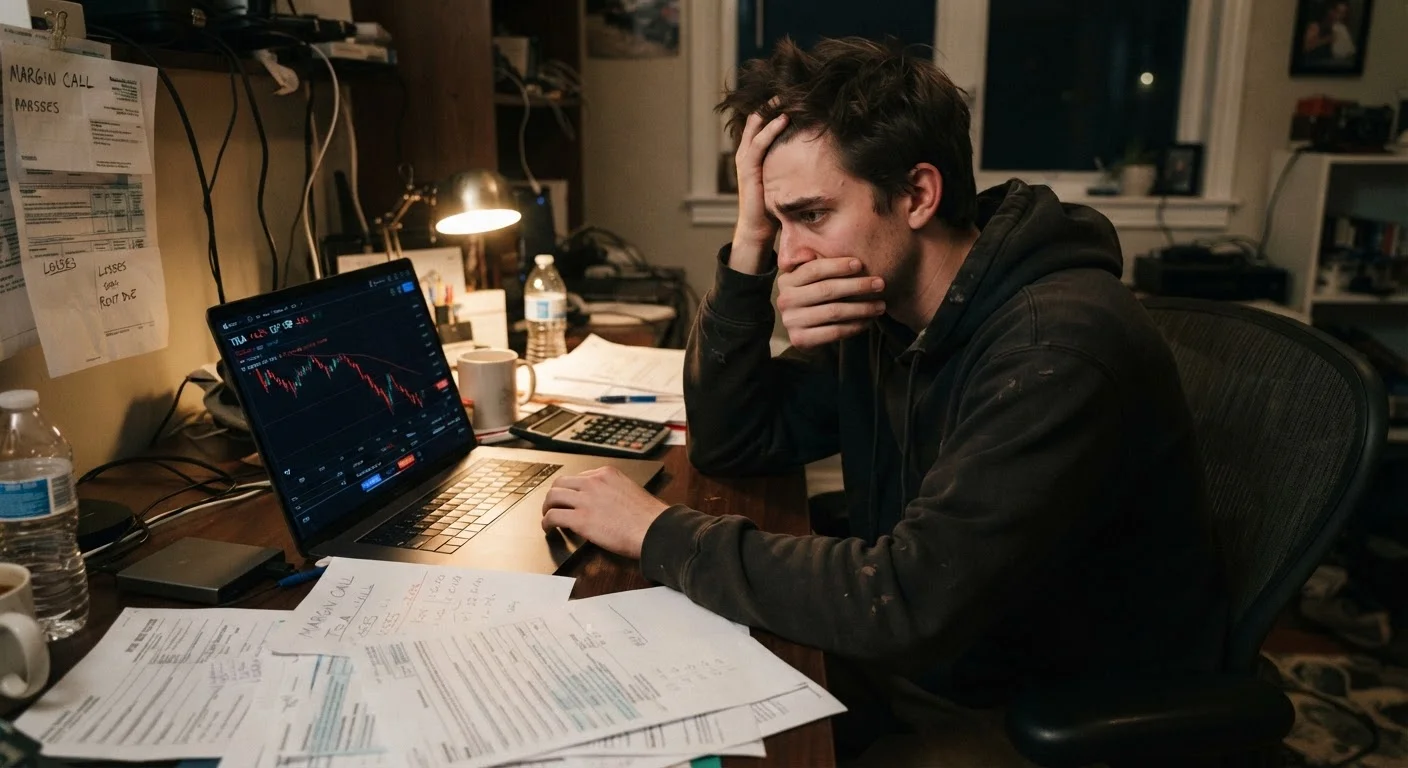
Why Beginners Are Especially Vulnerable
Starting to invest is genuinely difficult — not because the core concepts are impenetrable, but because markets are designed to test emotional discipline at every turn. New investors face a steep learning curve without the experience needed to recognise when their instincts are working against them.
Most early losses aren't random. They follow recognisable patterns rooted in human psychology and gaps in foundational knowledge. Understanding the basics of how markets work before putting money at risk is one of the most effective protective steps a new investor can take.
Equally, many beginners carry incorrect assumptions into the market. Persistent investing myths — such as the idea that investing is inherently speculative, or that you need substantial capital to begin — can lead to either avoidance or reckless overconfidence.
This Is Education, Not Personalised Advice
The information in this article is general in nature and intended for educational purposes only. It does not constitute personalised investment, financial, or tax advice. Every investor's situation is different. Before making investment decisions, consider consulting a licensed financial adviser who can assess your specific circumstances, goals, and risk tolerance.
The Most Common Mistakes — And How to Avoid Them
The mistakes that cost new investors the most are rarely obscure. They tend to be well-documented, widely discussed — and still surprisingly easy to fall into when real money and real emotions are involved. Understanding why each one happens is as important as knowing what to do differently.
Investing money that may be needed in the short term, treating the market like a savings account.
Why it happens: New investors often underestimate how quickly they may need access to cash. The prospect of returns feels more appealing than a low-interest savings account.
Putting most or all capital into a single stock, sector, or asset class rather than spreading risk.
Why it happens: Concentration often happens when someone invests heavily in a company they work for, admire, or have heard positive news about — mistaking familiarity for safety.
Making investment decisions based on emotion — panic-selling during downturns or chasing surging assets out of excitement.
Why it happens: Market volatility triggers powerful emotional responses. Fear of further losses drives selling at lows; fear of missing out (FOMO) drives buying at peaks.
Ignoring fees, expense ratios, and the compounding cost of transaction charges over time.
Why it happens: Fees are often small percentages that seem trivial at first glance, making them easy to overlook when evaluating an investment.
Attempting to time the market — waiting for the 'perfect' moment to buy or sell.
Why it happens: It feels logical that one could identify market highs and lows. Financial media coverage of market movements reinforces the illusion that timing is knowable.
Past Performance Is Not a Guarantee
A common trap for new investors is assuming that recent strong returns will continue. Markets move in cycles, and assets that have surged recently can — and do — fall sharply. Basing decisions primarily on recent performance rather than sound fundamentals is a pattern associated with significant losses.
Underlying several of these errors is a misunderstanding of risk and return. The relationship between risk and potential return is foundational: higher potential gains are generally accompanied by higher potential for loss. Investors who don't internalise this connection tend to be blindsided when volatility arrives.
~20%
Average underperformance of individual investors vs. the market
Behavioural finance research, including studies associated with Dalbar's annual reports, has consistently found that average investor returns significantly trail broad market index returns, primarily due to poorly timed buy and sell decisions.
10 days
Best market days that account for a large share of long-term gains
Academic analyses of long-term market data regularly show that missing just the ten best trading days in a multi-decade period can cut total returns by half or more — illustrating the cost of market-timing attempts.
Building Toward Better Habits
Avoiding mistakes is only part of the picture. Long-term investing success is shaped more by consistent, disciplined behaviour than by any single decision. The habits of disciplined long-term investors — regular contributions, periodic rebalancing, and resisting the urge to react to short-term noise — contrast sharply with the reactive patterns that tend to damage early portfolios.
Recognising your own tendencies is part of the work. Investors who take time to understand their risk tolerance, document their goals, and build a plan they can commit to are better positioned to stay the course when markets move against them. No strategy eliminates risk, but awareness of these common patterns can meaningfully reduce the likelihood of costly, avoidable errors.
This article is for general informational and educational purposes only and does not constitute personalised financial, investment, or tax advice. Past market performance does not guarantee future results. Consult a qualified, licensed financial professional before making decisions based on your individual circumstances.
The content on this site is for informational purposes only and is not a substitute for professional advice. Always consult a qualified professional for guidance specific to your situation.