

Why Batteries Die Earlier Than They Should
A car battery is engineered to last. Under reasonable conditions, most modern lead-acid batteries deliver reliable service for three to five years. Yet a significant number fail well before that window closes — not because of manufacturing defects, but because of everyday habits that compound into early failure.
Understanding how batteries degrade helps drivers make small, practical changes that genuinely extend battery life. The chemistry is straightforward: a 12-volt lead-acid battery stores energy through a chemical reaction between lead plates and sulfuric acid electrolyte. Repeated deep discharges, sustained heat exposure, and poor charging cycles all degrade those plates over time, reducing the battery's ability to hold and deliver charge.
The habits below represent the most common ways drivers unintentionally accelerate that process.
3–5 years
Typical car battery lifespan
The Battery Council International notes that average battery life in the US ranges from three to five years, with climate and usage patterns heavily influencing where a battery lands in that range.
~48%
Of roadside breakdowns tied to battery issues
AAA has consistently reported that battery-related problems account for roughly half of all roadside assistance calls, making it the single most common reason drivers need help.
The Mistakes That Drain Batteries Prematurely
Most battery failures are the result of accumulated damage rather than a single event. The following mistakes are among the most frequent contributors — and the most preventable.
Relying on short, frequent trips as the primary driving pattern.
Why it happens: Urban and suburban drivers often commute in stop-and-go traffic with trips under ten minutes — never giving the alternator enough time to fully recharge the battery after each start.
Leaving accessories running with the engine off.
Why it happens: Drivers commonly sit in parked cars with the radio, climate fan, or charging ports active, not realizing how quickly accessory load depletes a stationary battery.
Ignoring parasitic drain from aftermarket electronics.
Why it happens: Dash cams with always-on parking modes, aftermarket alarms, and phone chargers left plugged in all draw current continuously, even when the vehicle is off. This is similar in concept to standby power drain in household gadgets, where devices consume energy without appearing active.
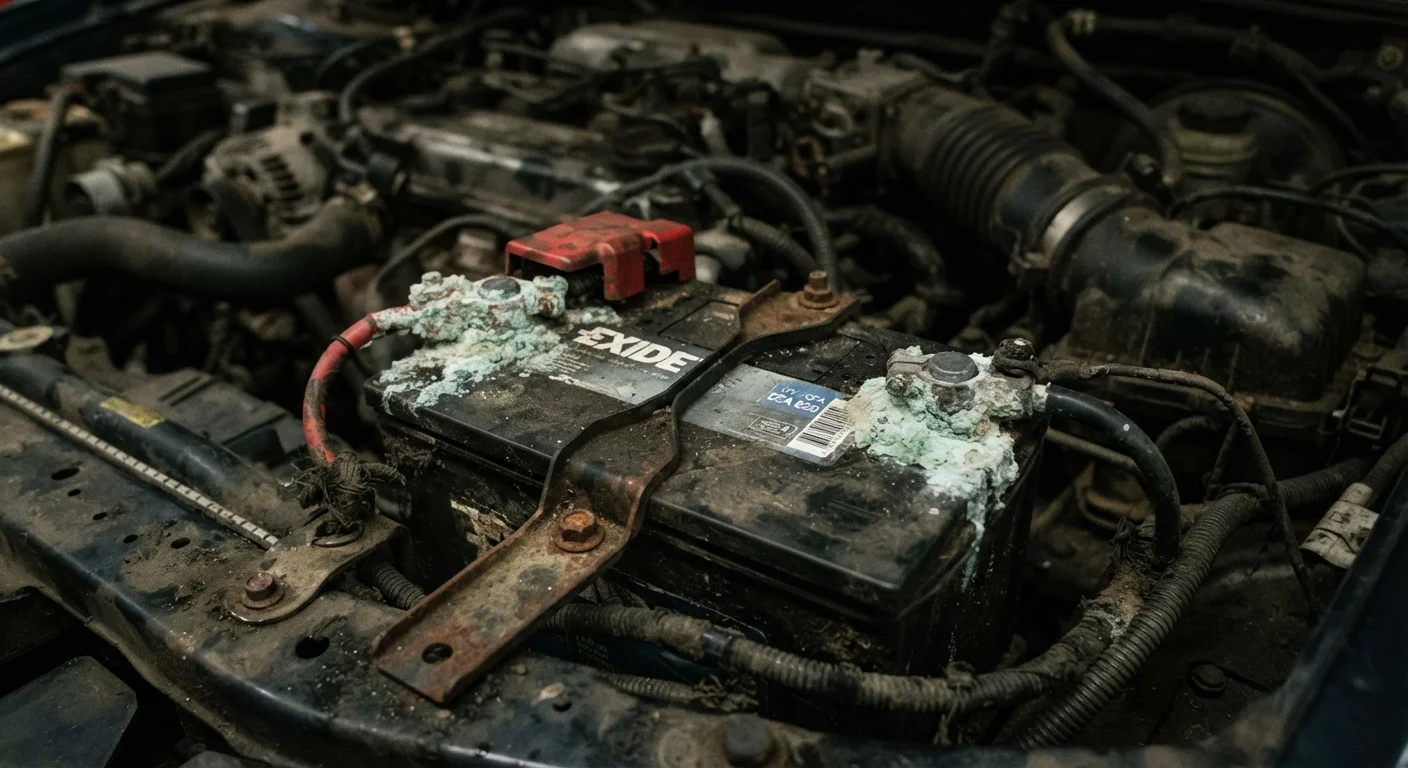
Skipping terminal cleaning and maintenance checks.
Why it happens: Battery terminals corrode gradually. Because the car still starts, drivers assume everything is fine — not realizing that corrosion increases resistance and forces the battery to work harder on every start.
Parking for extended periods without any battery maintenance.
Why it happens: Vehicles left unused — seasonal cars, second vehicles, or during travel — self-discharge slowly over time. After several weeks, voltage can drop low enough to permanently damage cell capacity.
Assuming a battery is fine because the car started this morning.
Why it happens: Lead-acid batteries can deliver enough power to start an engine right up until the point they can't — the decline isn't always linear, and many drivers equate starting ability with battery health.
Dead Battery ≠ Bad Battery — At First
A single deep discharge doesn't automatically mean your battery is finished. However, repeated full discharges permanently reduce a lead-acid battery's capacity. If your battery has been fully drained more than two or three times, have it load-tested by a mechanic before assuming a charge will restore it fully.
Recognizing the Warning Signs Early
Battery decline rarely arrives without signals. Knowing what to look for allows drivers to act before a dead battery becomes a roadside emergency.
Don't Ignore a Slow Crank
An engine that cranks slowly — especially on a mild morning — is one of the clearest early signs of battery deterioration. Many drivers attribute it to cold weather and move on. If slow cranking persists across different temperatures, have the battery and charging system tested promptly. Waiting often means getting stranded.
- Slow engine crank: The engine takes longer than usual to turn over, particularly in mild temperatures.
- Dim headlights at idle: Lights that brighten when you rev the engine suggest the battery isn't holding adequate charge.
- Electrical gremlins: Intermittent issues with power windows, dashboard displays, or infotainment systems can point to voltage instability.
- Battery warning light: This indicator typically signals a charging system issue, which may involve the battery, alternator, or both.
- Swollen battery case: Heat causes battery cases to bulge. A visibly swollen battery should be replaced promptly and handled with care.
Staying alert to these signs — and pairing that awareness with the broader vehicle habits outlined in our vehicle maintenance guide — puts drivers in a far stronger position to avoid unexpected failures.
The content on this site is for informational purposes only and is not a substitute for professional advice. Always consult a qualified professional for guidance specific to your situation.